Blog

  • Can Iron Deficiency Cause Hair Loss?

    Can Iron Deficiency Cause Hair Loss?

    Hair health depends heavily on nutrition, and the nutrient iron plays a major role in keeping strands strong and full. It helps red blood cells deliver oxygen to the cells that power hair growth, supporting healthy follicle function along the way.

    Though many factors can trigger shedding, iron deficiency often slips under the radar, especially for women and those on restrictive diets.

    How Iron Supports Hair Growth

    Iron helps the body produce hemoglobin, a protein in red blood cells that carries oxygen. Adequate iron supports hemoglobin-mediated oxygen delivery, which is essential for rapidly dividing matrix cells in hair follicles. When iron stores drop, hemoglobin production slows. That reduces the oxygen reaching hair follicles, which can disrupt their function and weaken new growth.

    Over time, chronic low iron may cause slower regrowth and noticeable thinning, making it harder for hair to bounce back to its natural fullness.

    Iron Deficiency Hair Loss: What It Looks Like

    Hair loss tied to low iron usually builds up slowly. You might see more hair in your brush, on your pillow, or in the shower. Sometimes the first clue is that your hair simply looks different — less dense, more limp.

    In particular, iron deficiency hair loss typically shows generalized, diffuse shedding (telogen effluvium) rather than patterned recession or a widened central part. Hair may come out more easily during brushing or washing. You might notice strands collecting faster than usual. Further, areas that shed heavily show little to no new hair growth. When you don’t see short, fuzzy baby hairs reappearing, that’s often a red flag.

    These changes can resemble early signs of pattern hair loss, so visual symptoms alone aren’t always enough to know for sure.

    Causes of Iron Deficiency Leading To Hair Loss

    A person eating a spinach and pear salad on a plate.

    Iron deficiency doesn’t stem from just one cause. Often, it reflects a mix of diet, health conditions, and lifestyle factors. Sorting out the origin helps guide treatment.

    Poor Diet

    Iron comes in two forms: heme (from animal sources) and non-heme (from plants). The body absorbs heme iron more efficiently. So if you frequently skip meat or rely primarily or exclusively on plant-based foods, your iron intake may fall short.

    Eating well-balanced meals with enough iron-rich foods matters, but even a healthy diet can be undermined by skipped meals or low calorie intake.

    Heavy Menstruation

    Monthly blood loss from periods can gradually drain iron stores, especially when cycles are heavy. Over time, this depletion may lead to fatigue, weakness, and increased hair shedding.

    Because the symptoms build slowly, many don’t connect them to iron loss right away.

    Pregnancy

    Pregnancy increases the body’s iron demands significantly. Without enough intake through food or supplements, it’s easy to become deficient. Further, people often blame hair shedding after childbirth on hormones, but low iron can also make recovery harder and prolong the regrowth phase.

    Most postpartum shedding is hormonal telogen effluvium and resolves within six to 12 months; iron deficiency, if present, can delay regrowth.

    Digestive Conditions

    Certain gut disorders — such as Crohn’s or celiac disease — can block the body from absorbing iron effectively, even if your diet is on point. When your body isn’t absorbing iron, hair follicles lose their steady supply of oxygen and nutrients.

    Weight Loss

    Acute weight-loss diets may provoke telogen effluvium via calorie and protein deficits. True iron deficiency is more common after bariatric surgery, heavy menstrual bleeding, gastrointestinal loss, or malabsorption.

    Ways To Combat Hair Loss Caused By Iron Deficiency

    To address iron deficiency, eating more iron-rich foods is a great place to start. Red meat, lentils, spinach, and fortified cereals can help restore iron levels gradually. Pairing these foods with more than 75 milligrams of vitamin C can increase non-heme iron absorption threefold. 

    If dietary changes aren’t enough, iron supplements may be needed. It’s a good idea to check with a doctor first to avoid taking more than your body requires. Begin only after confirming deficiency; the typical oral dose is 40-65 milligrams of elemental iron on alternating days. Monitor ferritin every eight to 12 weeks. Over-supplementation can cause iron overload or obscure cardiac and thyroid lab results.

    Recovery doesn’t happen overnight, but consistent iron intake often brings steady improvements in energy, mood, and hair density.

    Diagnosing Iron Deficiency as the Cause of Hair Loss

    If you think iron might be the issue, talk to your doctor about a blood panel. These tests can help confirm whether your hair loss ties back to low iron.

    Key lab values that can help clarify the picture include:

    • Serum ferritin measures iron storage in the body and is one of the most sensitive indicators of iron deficiency. Low levels often indicate depleted iron reserves, even before anemia develops. Most dermatologists begin treatment when ferritin is less than 30-40 micrograms per liter, even without frank anemia.
    • Hemoglobin gauges the amount of oxygen-carrying protein in red blood cells. A drop in hemoglobin can point to anemia, which is closely linked to fatigue and hair thinning.
    • Iron saturation and total iron-binding capacity (TIBC) tests help assess how well iron is transported in your bloodstream. These values offer insight into whether your body has enough iron to meet cellular needs.

    This kind of bloodwork helps pinpoint whether iron is the likely cause. That way, you’re not guessing or jumping into treatments that won’t help.

    That said, iron isn’t the only possible trigger. Thyroid issues, autoimmune conditions, stress, and genetics can all play a role in hair loss. That’s why a full diagnosis from a medical professional matters. If you self-diagnose and you’re incorrect, you may continue to experience hair loss, as well as fail to address its underlying cause.

    Treatment Options Beyond Supplements

    Restoring iron levels is the foundation of treatment, but in some cases, it takes more to get hair growing again. Treatments like topical minoxidil can reawaken sluggish follicles and encourage regrowth.

    Early studies suggest platelet-rich plasma therapy may improve hair density in TE and androgenetic alopecia, but data are limited and treatment is considered off-label. Surgical hair restoration is deferred until ferritin is corrected and shedding stabilizes; otherwise, graft survival is poor.

    A personalized consultation helps determine whether this route is worth considering. Before-and-after photos give a clearer sense of what’s achievable when iron levels are restored and additional treatments are used to support regrowth.
    Treatment costs can vary depending on the extent of hair restoration and the expertise of the clinic. Getting a clear quote ahead of time helps you avoid surprises and plan with confidence.
  • Link Between Diabetes and Hair Thinning

    Link Between Diabetes and Hair Thinning

    People often talk about nerve damage, kidney issues, and vision problems with diabetes, but not many focus on its impact on hair and scalp health. Yet, many individuals living with diabetes will tell you that one of their early and most distressing signs that something deeper was happening within their bodies was hair loss and thinning.

    Understanding how diabetes influences the hair growth cycle and what you can do about it is fundamental for managing both your health and confidence.

    How Diabetes Affects Hair Growth Cycles

    Hair normally cycles through anagen (growth), catagen (transition), telogen (rest), and exogen (shedding). If you’re healthy, this cycle is smooth, with most of your hair staying in the growth phase for years before naturally shedding and being replaced. 

    However, when you’re living with a health condition like diabetes, your hair cycle is disrupted in a few ways. High blood sugar levels can damage small blood vessels over time, contributing to microvascular impairment around follicles and reducing the supply of oxygen and nutrients that get to your hair. Inadequately nourished hair follicles can enter a resting or dormant phase prematurely, leading to slower growth and more shedding.

    Persistent hyperglycemia or elevated blood sugar can delay the regrowth of new hair after natural shedding. Over time, you’ll notice visible thinning and fewer hairs actively growing to replace those that fall out. Many people living with diabetes report that even when their hair regrows, it does so slowly.

    Certain diabetes medications can also change how your hair grows. For instance, Metformin is commonly prescribed for type 2 diabetes, but it’s been associated with nutrient depletion — specifically vitamin B12 — which may indirectly affect hair health. Long-term Metformin use lowers serum B12 in up to 20-30% of users; severe deficiency can manifest as diffuse telogen effluvium. Periodic B12 monitoring is recommended.

    In Wegovy (semaglutide) trials, alopecia occurred in about 3% of participants versus 1% placebo. Experts attribute this to telogen effluvium from rapid weight loss rather than a direct drug effect; hair regrows once weight stabilizes.

    This is because rapid weight loss can trigger a condition called telogen effluvium, where your hair sheds because you’re stressed. And you might experience nutrient deficiencies and hormonal changes that could lead to hair thinning as well. 

    What Are the Common Signs of Diabetes Hair Loss?

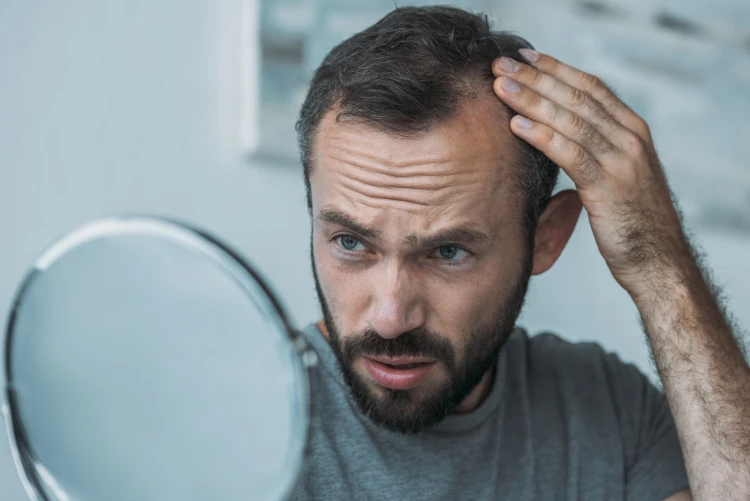
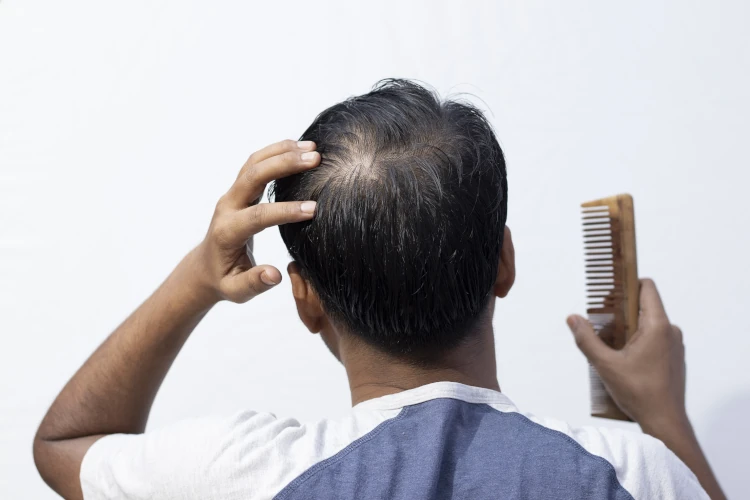
    A man touching the thinning hair on his scalp.

    Unlike classic baldness patterns, where you get receding hairlines or crown thinning, diabetes-related hair loss tends to appear as diffuse thinning, a general reduction in hair density across the scalp. You might notice your ponytail becoming thinner or that your scalp is more visible through previously dense areas.

    Diabetes doesn’t limit hair loss to the scalp either. You might see a decent amount of hair loss on your arms, legs, or face. It’s especially common in areas with smaller blood vessels, where circulation is lacking.

    Consistent shedding of more than 100 hairs per day warrants evaluation; diabetes is one of several possible contributors, alongside things like thyroid imbalance, iron deficiency, acute illness, medications, and more.

    Underlying Causes of Hair Thinning in People With Diabetes

    As mentioned, weakened blood flow to the scalp and extremities can directly impact hair follicle performance. In addition, insulin resistance can alter your hormone levels and trigger inflammatory processes that disturb the hair growth cycle.

    Type 1 diabetes, in particular, is an autoimmune condition. People living with autoimmune disorders are more prone to other immune-related conditions, such as alopecia areata (AA). Pooled data show AA in about 1-3% of patients with type 1 diabetes versus about 0.1-0.2 % in the general population.

    Diabetes can lead to imbalances in hormones like cortisol, thyroid hormones, and insulin itself, all of which play a role in how your hair grows. Poorly controlled diabetes can impair absorption or increase urinary loss of micronutrients (e.g., zinc, magnesium); however, population studies show mixed results. Screen only when clinical suspicion exists.

    Poor sleep, chronic stress, and the consumption of certain foods or beverages can affect both diabetes management and hair health.

    Even weight loss can be linked to hair thinning because of the telogen effluvium it might trigger, and the hormonal changes and essential nutrient deficiencies that can come with it.  

    Treatment Options for Hair Loss Related to Diabetes

    While managing diabetes is key to controlling hair loss, you have a few treatment options that can also help. For instance, minoxidil is an FDA-approved treatment that stimulates hair follicles, though results vary and regular use is required. 

    Biotin supplements are another option, as they support hair structure and strength. Taking them is generally considered safe but they should still be taken under medical supervision. More than 5 milligrams per day of biotin can artificially lower troponin and TSH assays; inform medical professionals if you’re taking it. Or, you could go with multivitamins that include zinc, iron, and B-complex vitamins to improve hair health, particularly if you’re experiencing any nutrient deficiencies.

    If your thinning is more intense, hair transplant surgery is an option. How surgeons approach hair transplants in patients with diabetes looks a little different than in those who don’t, and there are various risks to be aware of. However, a reputable clinic will ensure you undergo a successful hair transplantation with proper preoperative evaluation.

    In the U.S., a 2,000-graft follicular unit extraction or follicular unit transplantation procedure averages $7,000–$13,000, varying by region and technique. You can also expect noticeable results after six to 12 months of recovery time. 

    Managing Diabetes To Minimize Hair Thinning

    Preventing and reducing hair loss ultimately comes down to how well you manage your diabetes.

    Keep your blood sugar within your target range to reduce inflammation and support healthy blood circulation for hair follicle health. It’s also best to follow your provider’s advice on what diet to eat, what medication to take, and how much physical activity you should get.

    Stress can trigger hormonal changes that worsen both blood sugar control and hair shedding. So, try meditation, yoga, journaling, or cognitive behavioral therapy (CBT) to keep your stress in check.

    Watching your hair thin can make you feel really defeated. But it’s manageable, and in some cases, reversible, with the right combination of medical care and lifestyle changes. Stay proactive, be gentle with yourself, and know that support and treatment options are available at every stage. 

  • Liver Dysfunction and Hair Thinning: What You Need To Know

    Liver Dysfunction and Hair Thinning: What You Need To Know

    Your liver does far more than process alcohol and filter toxins. This vital organ plays an integral role in maintaining healthy hair growth, and when it struggles, your hair often shows the first signs of distress. Hair thinning may not be a primary symptom in most liver conditions, unless advanced, but it may occur in liver dysfunction. The most common mechanism is telogen effluvium due to malnutrition, systemic inflammation, or hormonal imbalance, not liver damage per se.

    The relationship between liver health and hair loss runs deeper than most realize. When your liver cannot perform its essential functions properly, it creates a cascade of effects that directly impact your hair follicles’ ability to produce strong, healthy strands. 

    Recognizing these warning signs early can help you address both liver health and hair concerns before they become more serious problems.

    Connection Between Liver Health and Hair Thinning

    Your liver serves as your body’s primary detoxification center, working around the clock to maintain optimal wellness. This powerhouse organ filters harmful substances from your bloodstream, stores essential nutrients, and helps regulate hormone levels that directly influence hair growth. When liver function becomes compromised, these critical processes slow down or stop entirely.

    The liver’s role in nutrient storage particularly affects hair health. Hair follicles require specific vitamins, minerals, and proteins to maintain their three-phase growth cycle. A healthy liver stores iron, B vitamins, and other nutrients that fuel this continuous cycle. Without proper liver function, these stored nutrients become depleted or poorly distributed throughout the body.

    Hormonal balance also depends heavily on liver health. Your liver processes and eliminates excess hormones, including those that can trigger hair loss. However, it’s important to note that dihydrotestosterone (DHT) and cortisol are regulated more by enzymatic activity and hormone receptor sensitivity than direct liver “elimination.” Ultimately, poor liver function allows hormones to accumulate, disrupting the delicate balance needed for healthy hair growth.

    Chronic liver disease (especially cirrhosis, NAFLD, hepatitis C) is often associated with malnutrition, low protein synthesis, and micronutrient deficiencies, which may lead to telogen effluvium or brittle hair. When your liver cannot properly store and distribute essential nutrients, your hair follicles enter survival mode. They prioritize basic cellular functions over hair production, leading to thinner, weaker strands and eventual hair loss. Understanding which specific vitamin deficiencies contribute to hair loss helps explain why liver health directly impacts your hair’s appearance and strength.

    What Are the Common Causes of Liver Dysfunction That Affect Hair?

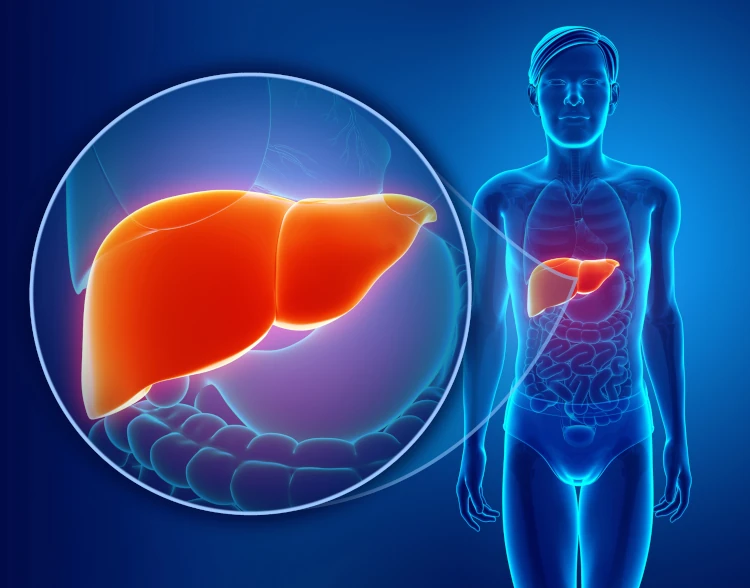
    A computer-generated image showing the location of the liver within a person's body.

    Several factors can compromise liver function and subsequently impact hair health. When your liver struggles to perform its essential duties, your hair often reflects this internal dysfunction through thinning, weakness, or increased shedding. Understanding these common causes helps you identify potential liver and hair health risks.

    • Poor diet: Diets high in processed foods, refined sugars, and unhealthy fats force your liver to work overtime, gradually reducing efficiency. This constant strain prevents the liver from performing its hair-supporting functions effectively.
    • Excessive alcohol consumption: Alcohol requires significant liver resources to process and eliminate, leaving fewer resources available for nutrient storage and hormone regulation. Regular heavy drinking can progress from fatty liver disease to more severe conditions that severely impact hair health.
    • Certain medications: Long-term pain relievers, antibiotics, and other pharmaceuticals may stress the liver’s detoxification systems. While these medications serve important medical purposes, their effects on liver health can indirectly contribute to hair thinning in some individuals.
    • Underlying medical conditions: Eating disorders severely impact both liver function and hair health through malnutrition and metabolic disruption. Restrictive eating patterns damage both scalp health and strand quality through complex nutritional deficiencies that overwhelm liver function.
    • Autoimmune conditions: These create unique challenges by potentially targeting both liver tissue and hair follicles simultaneously. The immune system can attack healthy liver cells while triggering hair loss through other mechanisms. Immune system disorders can directly trigger hair thinning while simultaneously compromising liver function through inflammatory processes.
    • Viral hepatitis: Viral hepatitis, especially hepatitis C, is a well-established cause of both liver dysfunction and hair loss via immune pathways. The body’s immune response is triggered by the virus’s attack on the liver, resulting in inflammation that can be damaging to the liver and as well as hair follicles. 

    Recognizing these risk factors allows you to take proactive steps to protect both your liver and hair health. Early intervention can prevent minor liver stress from developing into severe dysfunction that threatens your hair’s vitality.

    Can Hair Thinning From Liver Dysfunction Be Reversed?

    Hair recovery after telogen effluvium may take three to six months after the trigger is removed. However, in chronic liver disease, this may be delayed or incomplete. The key lies in restoring your liver’s ability to filter toxins, store nutrients, and regulate hormones effectively. Medical professionals can prescribe treatments that support liver function while addressing any underlying conditions contributing to the dysfunction.

    Dietary changes form the cornerstone of liver recovery and subsequent hair regrowth. Eliminating processed foods, reducing alcohol consumption, and incorporating liver-supporting nutrients can gradually restore function. However, the timeline for seeing hair improvements varies significantly based on how long the liver dysfunction persisted and its severity.

    Most people notice initial hair improvements within three to six months of liver health restoration. However, complete hair regrowth may take twelve to eighteen months or longer. The hair growth cycle naturally progresses slowly, and previously damaged follicles need time to recover and produce healthy strands again.

    Some individuals may benefit from additional hair restoration treatments after their liver health improves. Hair transplantation is not recommended during acute illness, ongoing liver dysfunction, or systemic inflammation. Treatment should be delayed until stable health is achieved.

    Viewing actual patient transformations helps set realistic expectations for natural regrowth and surgical restoration options. Many patients find that combining liver health improvements with professional hair treatments produces the most satisfying long-term results. Understanding investment requirements for hair restoration allows patients to plan comprehensive treatment approaches that address underlying liver issues and cosmetic concerns.

    Ways To Promote Liver Health and Stimulate Hair Growth

    Reducing alcohol consumption provides immediate benefits for both liver function and hair health. Your liver begins recovering within days of decreased alcohol intake, freeing up resources for nutrient storage and hormone regulation. Even moderate reductions can produce noticeable improvements in liver efficiency and hair quality.

    Embracing a nutrient-rich diet supports liver detoxification while providing hair follicles with essential building blocks. Focus on incorporating leafy greens, lean proteins, healthy fats, and antioxidant-rich fruits into your daily meals. These foods supply the vitamins and minerals your liver needs to function optimally while directly nourishing your hair follicles.

    Eliminating processed foods removes unnecessary toxins that burden your liver’s filtration systems. Packaged snacks, fast food, and artificially sweetened beverages contain chemicals requiring significant liver resources. Eliminating these items allows your liver to focus on supporting hair growth and overall health.

    Supporting liver function represents a long-term investment in maintaining strong, healthy hair throughout one’s life. Unlike quick fixes or temporary solutions, liver health improvements create lasting changes that benefit one’s entire body. Consistent attention to liver wellness through diet, lifestyle, and medical attention when necessary provides the foundation for vibrant hair that reflects one’s overall health and vitality.

  • How Anorexia Affects Hair Growth and Scalp Health

    How Anorexia Affects Hair Growth and Scalp Health

    Many of the physical and emotional challenges of living with anorexia nervosa aren’t immediately visible to others. However, one of the more noticeable effects of this eating disorder is its impact on hair and scalp health. 

    The severe nutritional deficiencies that come with anorexia can lead to hair loss, thinning, and scalp irritation. Some estimates indicate that over 60% of patients with anorexia also experience hair loss. And while hair loss may not seem like a critical symptom of anorexia, it can be one of the earliest and most emotionally distressing signs of malnutrition. 

    Understanding the connection between anorexia and hair loss offers an opportunity for early intervention and support, and it can help you recognize your body’s need for nourishment and healing. 

    How Anorexia Impacts the Hair Growth Cycle?

    Hair growth depends heavily on a consistent, balanced supply of nutrients, oxygen, and hormones. Under normal circumstances, hair follicles go through three phases: the growth phase (anagen), the transitional phase (catagen), and the resting phase (telogen). 

    When the body is healthy and well-nourished, most hair stays in the growth phase for several years before cycling out.

    However, in cases of anorexia, the body experiences chronic nutritional stress. Because survival is the body’s top priority, it will begin to conserve energy by diverting resources away from hair growth and other non-essential functions.

    As a result, a large number of follicles can prematurely enter the resting phase. This leads to a condition called telogen effluvium, where hair sheds excessively across the scalp. Telogen effluvium typically presents two to three months after the nutritional insult due to the delayed nature of the hair cycle.

    In addition to this shift in the hair cycle, anorexia-related malnutrition weakens the structure of hair strands, slows regrowth, and can result in noticeable hair thinning or bald patches. This kind of disruption may not be immediately reversible, making early recognition crucial for recovery.

    Key Nutritional Deficiencies That Contribute to Anorexia Hair Loss

    A women in workout clothes examining hair that has apparently fallen from their head.

    Hair health is a reflection of internal well-being, and several key nutrients play big roles in maintaining strong, resilient strands and a healthy scalp. In individuals living with anorexia, it’s common to see widespread deficiencies in the following:

    • Protein: Hair is made primarily of keratin, a protein that requires amino acids for production. Inadequate protein intake can significantly weaken hair strands and reduce their ability to grow. 
    • Iron: Iron deficiency is commonly associated with hair loss in people with restrictive eating habits. Without sufficient iron, the body struggles to produce hemoglobin, limiting oxygen supply to hair follicles.
    • Zinc: Zinc supports cellular repair and immune function. A deficiency can lead to hair shedding, brittle strands, and a flaky or irritated scalp.
    • Essential fatty acids: Healthy fats, particularly omega-3 and omega-6 fatty acids, are crucial for scalp hydration and elasticity. Their absence can contribute to dryness, inflammation, and poor follicle function.
    • Vitamins A, C, D, and E: Each of these vitamins contributes in different ways to scalp and hair health. For instance, vitamin C helps with collagen production and iron absorption, while vitamin D supports the hair follicle’s life cycle. Both a deficiency in and an excess of Vitamin A may contribute to hair loss, which can be relevant in patients with disordered eating and supplement misuse. All in all, an imbalance of these nutrients can make hair more prone to breakage, slower to grow, and dull in appearance.
    • Vitamin B complex: B vitamins, especially B7 (biotin) and B12 (cobalamin), also play important roles in hair growth — for instance, biotin helps with keratin production — and deficiencies in these key nutrients have been linked to hair loss.

    Without adequate intake of these vital nutrients, the body simply cannot support the metabolic demands of growing healthy hair. That’s why even living with an eating disorder for a short period can lead to visible damage.

    Signs of Hair and Scalp Damage Related to Anorexia

    Hair loss caused by anorexia often becomes evident over time, and you might mistake the cause of your hair loss, attributing it to something like stress. However, there are several specific signs that may indicate the hair loss is due to internal nutritional distress, such as:

    • Noticeable thinning around the temples or crown;
    • Excessive shedding, especially while brushing or washing;
    • Brittle, dry, or straw-like strands that break easily;
    • A dry, itchy, or flaky scalp;
    • Slowed or stalled hair growth, sometimes with widened part lines.

    These symptoms affect your physical appearance but can also trigger deep emotional responses. If you’re already struggling with body image, the experience of losing hair can be heartbreaking and isolating.

    In some cases, people develop hairline dysphoria, a condition where concern over hair loss or changes in the hairline becomes intense and all-consuming. This can further complicate anorexia recovery and exacerbate feelings of shame or anxiety. 

    Treatments and Recovery Tips for Anorexia-Related Hair Loss

    Though nutritional rehabilitation is the foundation of recovery, these strategies can also support hair regrowth and boost scalp health:

    • Work with a multidisciplinary team: This may include a doctor, registered dietitian, therapist, and dermatologist. 
    • Use gentle hair care products: Choose sulfate-free shampoos and nourishing conditioners to avoid irritating the scalp or damaging fragile strands.
    • Limit heat styling and chemical treatments: Blow drying, straightening, and dyeing can worsen breakage and delay regrowth.
    • Track progress with photos and notes: Because changes can be slow, it helps to document improvements over time.

    Hair transplants should only be considered after full nutritional and psychological recovery, and only in stable cases where natural regrowth has plateaued. These are advanced treatments offered at clinics specialized in hair loss, which provide tailored solutions based on each person’s hair profile and medical history.

    Be sure to review hair transplant costs and look at before-and-after photos to understand the commitment involved and the outcomes you can expect. Though not necessary for everyone, restoration can offer hope and empowerment when emotionally affected by lasting hair loss.

    Supporting Overall Scalp Health During Anorexia Recovery

    Your hair’s ability to regrow hinges on scalp health. Here’s what you can do to encourage a healthy scalp that supports regrowth:

    • Choose mild, moisturizing shampoos free from harsh detergents or fragrances.
    • Massage the scalp gently a few times per week to stimulate blood flow and follicle activity.
    • Avoid tight hairstyles that tug on weakened hair strands.
    • Hydrate regularly and maintain a balanced diet.
    • Reduce stress through gentle movement, mindfulness, or creative expression.

    Finally, remember that healing is holistic. Your body, mind, and self-image are interconnected. Focus on nourishment and self-compassion, so your hair can begin to grow back, and you can rebuild your sense of strength, confidence, and well-being.

  • Does Hormone Replacement Therapy Cause Hair Loss?

    Does Hormone Replacement Therapy Cause Hair Loss?

    Hormone replacement therapy (HRT) is a common approach to easing menopause symptoms like hot flashes, night sweats, and mood swings. Many women feel more balanced and comfortable during this stage of life when hormone levels are brought back into a healthier range.

    That said, some women notice increased shedding or shifts in texture after starting HRT, often related to initial hormone fluctuations rather than HRT itself being inherently damaging to hair. Understanding how hormones influence hair can make these changes easier to manage.

    Understanding Hormones and Hair Loss

    Hormones have a strong influence on how hair grows and sheds. Estrogen and progesterone generally promote hair growth, while testosterone — particularly its byproduct dihydrotestosterone (DHT) — can be linked to thinning in people with a genetic predisposition.

    Estrogen helps keep hair in the growth phase longer, which leads to fuller, thicker strands. When estrogen levels decline during menopause, hair more easily transitions to the shedding phase. That often brings noticeable shifts in volume and texture.

    Even low-normal testosterone levels may promote hair thinning in genetically sensitive individuals due to increased local DHT activity. Women who are more sensitive to DHT might notice thinning around the hairline or crown during hormonal fluctuations.

    How Hormone Replacement Therapy Can Influence Hair Health

    The effects on hair can depend on the HRT formulation. For example, bioidentical estradiol may have different effects compared to synthetic progestins, which in some cases may worsen androgenic symptoms.

    Hormone levels need time to stabilize after starting or adjusting HRT. While your body recalibrates during treatment, it’s common to notice shedding or changes in how your hair feels.

    These conditions tend to be temporary. Disruptions in estrogen or progesterone can throw off the hair cycle, causing more strands to enter the resting phase at the same time. Once hormone levels even out, the cycle usually resets. Many women start to see regrowth within a few months as their systems settle into the new hormonal pattern.

    Some women even find that their hair becomes stronger or thicker over time, especially when HRT is correcting an imbalance that has been affecting growth for years. In these cases, consistency makes a meaningful difference.

    Factors That Can Increase the Risk of Hair Loss on HRT

    HRT may influence hair, but it’s rarely the only factor involved. Hair thinning often comes from a mix of causes that overlap.

    Here are a few possibilities worth considering:

    • Genetics: If you have a family history of hair thinning, your follicles may be more reactive to hormonal shifts. That sensitivity makes shedding more likely during changes like menopause or HRT.
    • Pre-existing hair thinning: Hair that was already thinning before HRT may become more noticeably sparse during treatment. This isn’t necessarily a new issue — HRT might just make it more visible.
    • Iron deficiency: Without enough iron, the body can’t deliver oxygen effectively to the scalp. That weakens follicles and accelerates shedding. Iron needs can also shift during menopause, increasing the risk of hair loss.
    • Stress and poor sleep: High cortisol from ongoing stress interferes with hormone regulation. Sleep loss compounds the problem, leaving your body with fewer resources to repair and rebalance.

    These influences don’t automatically result in hair loss. Pinpointing what’s happening in your specific case is what leads to better outcomes.

    Managing Hair Loss While on Hormone Replacement Therapy

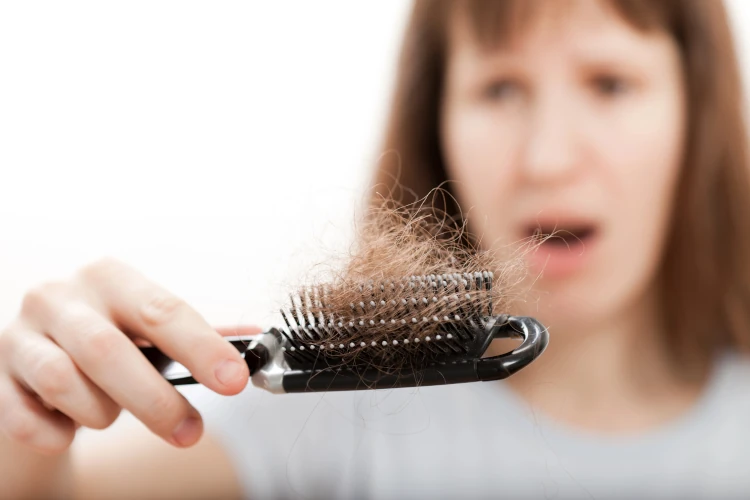
    A woman looking at a clump of hair in her hairbrush.

    Noticing hair thinning during HRT doesn’t mean you’re stuck with it. Your doctor can review your dosage and hormone type to see whether a shift might help. Even slight changes sometimes ease unwanted side effects.

    Examine your diet, too. Nutrients like iron, vitamin D, zinc, and biotin all support hair structure and growth and can be obtained through common foods. If bloodwork shows you’re lacking in an essential nutrient, supplements might also be worth exploring with your provider.

    Additionally, don’t overlook your hair care habits when managing hair shedding or loss. Heat styling, frequent coloring, or harsh shampoos can all lead to thinning hair in women. Using gentler products and reducing friction or breakage can give your hair a better chance at recovery.

    Hair restoration may be considered if hair thinning persists after hormonal levels have stabilized and other causes like telogen effluvium or nutritional deficiency have been ruled out.

    For those with persistent thinning or visible patches, a transplant can offer a more lasting and noticeable result. Regrowing hair is only part of the benefit; many people also feel a renewed sense of confidence and personal comfort as their appearance begins to match how they feel inside.

    Hair transplants can be especially helpful for people who want a long-term, visible improvement after other methods have fallen short. They’re designed to work with your natural hair pattern and offer personalized results based on your specific type and extent of hair loss.

    Seeing real examples can help set expectations. Before-and-after photos often highlight restored volume and confidence, and they offer a clearer sense of what’s achievable.

    As with any treatment, weighing the hair restoration cost matters. Expenses vary depending on what you need and where you go. A consultation helps you understand the price breakdown and available options.

    Tips To Support Hair Health During Hormone Replacement Therapy

    Strong hair starts with your overall health. Eating a balanced diet with leafy greens, protein, and healthy fats can help keep your hair nourished. Staying on top of your nutrient intake plays a direct role in maintaining healthy follicles.

    Managing stress helps, too. Practices like journaling, stretching, or quiet time with friends can take the edge off and give your hormones room to stabilize.

    And good sleep can’t be overstated. Getting seven to nine hours each night gives your body the reset it needs to support everything from energy to hair growth.

  • Do Autoimmune Conditions Cause Hair Loss?

    Do Autoimmune Conditions Cause Hair Loss?

    Hair loss is one of the more upsetting symptoms people worry about when diagnosed with an autoimmune condition. For many, thinning or patchy hair stirs up fears about their appearance and long-term health, especially when the cause isn’t obvious. Others may not even realize that their hair loss is tied to their autoimmune disease.

    While not every autoimmune disease causes hair loss, several are known to interfere with the hair growth cycle. Understanding how these diseases impact hair growth gives you a better shot at keeping — or getting back — your hair.

    An autoimmune disease develops when the immune system misfires, attacking the body’s own healthy tissues instead of protecting them. In some conditions, this includes attacking hair follicles, which can lead to inflammation and hair loss.

    Hair grows in a repeating cycle of growth, rest, and shedding. Inflammation can disrupt the normal hair cycle by inducing premature transition from the anagen (growth) phase to the telogen (shedding) phase. This disruption can lead to thinning, bald patches, or, in some cases, scarring.

    Inflammation can damage follicles directly or reduce blood flow to the scalp, making it harder for hair to get the nutrients it needs. Whether inflammation is mild or severe, it can take a toll on your hair.

    Early signs of autoimmune-related hair loss — like unusual shedding or patchy spots, especially alongside symptoms like fatigue or joint pain — are worth flagging and talking about with your doctor. Identifying these symptoms early gives you more time and space to treat hair loss. 

    Common Autoimmune Diseases Associated With Hair Loss

    Several autoimmune diseases have strong links to hair loss. They don’t all affect the body the same way, but they share the ability to disrupt hair follicles or limit nutrient absorption.

    Alopecia Areata

    Alopecia areata is among the most recognized autoimmune causes of hair loss. In this condition, the immune system targets hair follicles directly, creating small, smooth bald spots on the scalp or body.

    Regrowth is possible, but flare-ups are unpredictable and can lead to broader hair loss over time.

    Lupus

    Lupus is a long-term autoimmune disease that can affect the skin, joints, and internal organs. Discoid lupus erythematosus (DLE) is particularly associated with scarring alopecia.

    Hair loss may be due to scalp inflammation or lesions that scar and damage hair follicles. Once scarring sets in, hair loss can be permanent, which is why early treatment for lupus flare-ups matters.

    Hashimoto’s Thyroiditis

    Hashimoto’s thyroiditis affects the thyroid gland, often leading to an underactive thyroid. Hypothyroidism can cause telogen effluvium and diffuse thinning, which often reverses with hormone replacement therapy.

    Symptoms like fatigue and brittle nails often accompany hair thinning. Regulating thyroid levels usually helps restore hair over time.

    Celiac Disease

    Celiac disease primarily affects the digestive system, but its impact on hair can be traced back to nutrient deficiencies. It has been associated with telogen effluvium due to deficiencies in iron, zinc, and selenium.

    Shifting to a gluten-free diet typically helps reduce gut inflammation and gradually improves hair health.

    While these chronic diseases won’t necessarily harm hair growth, understanding the potential link to hair loss and shedding can aid you in identifying symptoms and utilizing treatments. 

    Signs of Autoimmune Hair Loss

    A close-up of a man's thinning hairline.

    Hair loss from autoimmune conditions can show up differently than from aging or as a result of stress. Some people find bald spots where hair once was, while others experience more widespread thinning or sensitivity on the scalp.

    • Patchy hair loss: Smooth, round bald patches may appear without warning. These spots might remain isolated or gradually expand.
    • Sudden thinning: Hair volume may decrease quickly, often during brushing or washing. The shift tends to feel more severe than everyday shedding.
    • Scalp irritation: Itching, redness, or tenderness may come before or alongside hair loss. These signs suggest inflammation is active at the surface.

    In some conditions, like lupus or frontal fibrosing alopecia, scarring can also lead to permanent hair loss, unlike alopecia areata.

    Unlike hereditary hair loss, autoimmune shedding can follow odd patterns and often includes skin or scalp discomfort that points to an underlying immune trigger.

    How Autoimmune Hair Loss Is Diagnosed

    To identify the source of your hair loss, your doctor will usually begin by asking questions about your health history. Details like how long the hair loss has been happening and whether you have other unexplained symptoms can guide your next steps.

    Blood tests — such as ANA (antinuclear antibody), anti-TPO (thyroid peroxidase), and anti-tTG (tissue transglutaminase) tests — often follow. These can check for thyroid imbalances, autoimmune markers, or other signs of inflammation in the body.

    In some cases, a scalp biopsy might be needed for diagnosis. This quick in-office procedure allows doctors to examine hair follicles and skin tissue more closely, which aids them in spotting autoimmune activity or ruling out other causes.

    Getting diagnosed as early as possible doesn’t just help your hair; it also gives you a clearer path for treating your autoimmune condition as a whole.

    What Are the Treatment Options for Autoimmune Disease Hair Loss?

    There’s no one-size-fits-all fix for an autoimmune or resulting hair loss. Corticosteroids are often the first-line treatment for alopecia areata, delivered topically, orally, or via intralesional injection depending on severity. In some situations, immunosuppressants or other therapies may be needed to slow immune overactivity.

    Lifestyle adjustments like getting better sleep, reducing stress, and eating a nutrient-dense diet can help create better conditions for hair recovery. Some people also benefit from topical products or supplements targeted at scalp health.

    When hair regrowth stalls, you might consider more advanced options such as hair restoration. However, hair transplantation is not appropriate for autoimmune-related hair loss unless the autoimmune activity is well-controlled and the condition is non-scarring.

    Looking at real results, such as before-and-after images, can give you a sense of what’s achievable. The cost of hair transplants can sometimes be a deterrent, though, so it’s wise to weigh your options and consult with a specialist first.

    Still, no matter what treatment path you choose, it helps to keep the focus on your broader health. Hair will respond better once you’re properly managing your autoimmune condition.

    Tips for Managing Autoimmune Conditions To Support Hair Health

    You don’t have to overhaul your life overnight, but a few consistent habits can go a long way in supporting both your immune system and your hair.

    Managing stress is a good place to start. Breathing exercises, walking outdoors, or simply taking time to unwind each day can help keep stress hormones and inflammation levels in check and give your hair a more stable environment to grow.

    Food plays a role, too. Hair needs a steady supply of protein, healthy fats, and key minerals. If your diet has gaps or your digestion is off, working with a nutrition expert can help ensure you are getting the nutrients you need. Avoid taking supplements without medical supervision, especially if you have an autoimmune condition where over-supplementation may trigger flares.

    And don’t skip those follow-up visits. Staying on top of lab work and keeping your autoimmune treatment plan updated makes a huge difference — not just for your health, but also for the condition of your skin and hair.

  • Which Vitamin Deficiency Causes Hair Loss?

    Which Vitamin Deficiency Causes Hair Loss?

    Nutritional deficiencies, particularly in vitamins, can play a major role in hair thinning and shedding. Although not a vitamin, iron is a critical mineral that plays a key role in hair growth and is frequently involved in deficiency-related hair loss, particularly in women. Other vitamin shortages disrupt your hair follicles’ ability to produce healthy strands and maintain normal growth cycles. Multiple vitamin deficiencies often work together to accelerate hair loss across your scalp.

    Identifying vitamin deficiency as a source of hair loss is an essential first step in preventing and treating this common condition. Early recognition of nutritional causes allows corrective action before hair loss becomes severe. Proper identification helps distinguish vitamin-related hair loss from other causes requiring different treatment approaches.

    How Vitamin Deficiency Causes Hair Loss

    A lack of key vitamins disrupts the normal hair growth cycle by weakening the cellular processes that support healthy follicle function. Your hair follicles require specific nutrients to produce strong keratin proteins and maintain the three-phase growth cycle of anagen, catagen, and telogen. When essential vitamins become scarce, your follicles cannot sustain normal growth patterns and begin producing thinner, weaker strands that increase shedding.

    The disruption typically begins during the anagen phase, when active hair growth occurs. Vitamin-deficient follicles cannot maintain this growth period, causing hair to enter the resting telogen phase prematurely. This shortened growth cycle results in increased shedding and gradually thinning hair density across the scalp.

    Even mild deficiencies can trigger noticeable hair thinning over time. Nutritional deficiencies rank among the major causes that often combine with genetic predisposition and hormonal changes to accelerate hair loss patterns. Vitamin shortages affect hair follicles directly, making your hair one of the first areas to show nutritional stress symptoms.

    Specific Vitamins Linked to Hair Loss

    Different vitamins and tablets in capsules of different colors are poured from a white plastic jar on a white background.

    In particular, there are certain vitamin deficiencies that have been linked to hair loss. Here are the most common:

    1. Vitamin D

    • Role: Regulates the hair follicle cycle, especially the initiation of the anagen (growth) phase. Hair follicles have vitamin D receptors critical for their normal function.
    • Deficiency Impact: Associated with telogen effluvium and alopecia areata. Low levels may impair follicle cycling and reduce hair density.
    • Common Causes: Lack of sun exposure, malabsorption, darker skin tones, autoimmune diseases.
    • Supporting Evidence: A 2013 review in Skin Pharmacology and Physiology found lower vitamin D levels in patients with various types of alopecia.

    2. Vitamin B7 (Biotin)

    • Role: Supports keratin production, the protein that makes up hair, skin, and nails.
    • Deficiency Impact: Rare, but when present can cause hair thinning, brittle hair, and alopecia. Often accompanied by dermatitis and brittle nails.
    • Common Causes: Long-term antibiotic use, anticonvulsants, or inherited metabolic disorders.
    • Supporting Evidence: While widely marketed for hair health, biotin deficiency is uncommon in healthy individuals; clinical benefit of supplementation without deficiency is unproven.

    3. Vitamin B12

    • Role: Essential for red blood cell formation and DNA synthesis, including in hair follicle matrix cells.
    • Deficiency Impact: Can cause telogen effluvium due to impaired oxygen delivery to follicles.
    • Common Causes: Vegan diets, pernicious anemia, malabsorption disorders (e.g., atrophic gastritis, Crohn’s disease).
    • Supporting Evidence: Studies show a correlation between B12 deficiency and hair loss, though causation is harder to establish.

    4. Folate (Vitamin B9)

    • Role: Necessary for DNA and RNA synthesis in rapidly dividing cells like hair follicles.
    • Deficiency Impact: May contribute to diffuse hair thinning and slow regrowth.
    • Common Causes: Poor diet, alcoholism, malabsorptive conditions.
    • Supporting Evidence: Frequently assessed in patients with unexplained diffuse hair loss alongside B12 and iron.

    5. Vitamin A

    • Role: Regulates cell growth and sebum production, which keeps the scalp and hair moisturized.
    • Deficiency Impact: Rarely causes hair loss in developed countries. More often, excess vitamin A (from supplements or medications like isotretinoin) is linked to hair shedding.
    • Common Causes: Overuse of supplements, high-dose retinoids.
    • Supporting Evidence: Chronic hypervitaminosis A is a known cause of telogen effluvium.

    6. Vitamin C

    • Role: Important for collagen synthesis and enhances non-heme iron absorption from plant-based foods.
    • Deficiency Impact: Indirect effect on hair health; may contribute to iron-deficiency-related hair loss. Severe deficiency (scurvy) may cause hair abnormalities.
    • Common Causes: Poor diet, smoking, alcohol abuse.
    • Supporting Evidence: Often addressed in conjunction with iron therapy for hair loss management.

    7. Vitamin E

    • Role: Antioxidant that protects hair follicle cells from oxidative stress.
    • Deficiency Impact: Rare, but may play a role in scalp health and hair quality.
    • Common Causes: Low-fat diets, conditions that impact fat absorption.
    • Supporting Evidence: Some studies suggest improvements in hair growth in people with oxidative stress-related hair disorders, but more robust data is needed.

    Signs You May Have a Hair Loss Vitamin Deficiency

    Vitamin deficiencies often produce symptoms beyond hair loss that signal broader nutritional imbalances affecting the entire body. When vitamin levels become insufficient for proper nail and hair growth, brittle nails that break easily or develop ridges frequently accompany hair thinning. Fatigue and low energy levels throughout the day can indicate vitamin deficiencies that impact hair follicle function and normal growth cycles.

    Dry skin, particularly on your scalp, face, and hands, often accompanies vitamin deficiencies, contributing to hair loss problems. Your skin and hair share similar nutritional requirements, making skin changes reliable indicators of potential hair-affecting deficiencies. These symptoms typically develop gradually over weeks or months as vitamin stores become depleted throughout your body.

    Changes in your hair texture, such as increased brittleness or dullness, can indicate developing vitamin deficiencies before significant hair loss becomes visible. Your hair often shows nutritional stress through subtle changes in appearance and strength that precede more obvious thinning. Multiple symptoms suggest more severe deficiencies that require immediate attention and evaluation.

    Seek blood work and professional evaluation when you notice multiple symptoms occurring together over several weeks or months. Your healthcare provider can test vitamin levels through comprehensive blood panels to identify specific deficiencies contributing to your symptoms. Early detection and treatment of vitamin deficiencies can prevent progressive hair loss and restore standard hair growth patterns when addressed promptly.

    What Are the Treatment Options for Severe Vitamin Deficiency Hair Loss?

    Dietary changes form the foundation for treating hair loss caused by vitamin deficiencies. These changes address the nutritional gaps contributing to hair thinning. Your healthcare provider can recommend specific foods rich in deficient vitamins, such as leafy greens for folate, fish for vitamin D, and lean meats for iron and B-complex vitamins. Targeted dietary modifications often show improvements in hair growth when combined with other treatment approaches and consistent nutritional support.

    Supplements provide concentrated doses of specific vitamins to correct severe deficiencies more rapidly than dietary changes alone. Your doctor may prescribe targeted vitamin formulations based on your blood test results and deficiency severity. Professional therapies include specialized scalp treatments and medical interventions that support follicle health during recovery.

    Hair transplant procedures may be considered in cases of permanent hair loss due to scarring or unmasked pattern hair loss, but they are typically not first-line treatments for nutrition-related shedding. Before and after patient transformations demonstrate how patients achieve natural-looking results through procedures using thousands of individual grafts to restore full density.

    When hair fails to naturally recover after correcting deficiencies through consistent treatment protocols, your doctor may recommend a hair transplant. Your specialist will evaluate whether nutritional therapy has maximized natural regrowth potential before considering surgical options. Understanding treatment costs and expectations becomes essential before proceeding, as comprehensive all-inclusive packages provide transparent pricing with accommodation, transfers, and aftercare included for optimal results.

    Prevention Tips for Vitamin Deficiency and Hair Loss

    Maintaining a balanced diet rich in vitamins provides the foundation for preventing hair loss caused by nutritional deficiencies. Include diverse protein sources, leafy greens, fruits, and whole grains daily to ensure adequate vitamin and mineral intake for healthy hair growth. Routine health screenings help detect vitamin deficiencies before they impact your hair growth, allowing for early intervention through dietary adjustments or targeted supplementation when needed.

    Managing stress through regular exercise, adequate sleep, and relaxation techniques prevents stress-related health issues that can contribute to hair loss patterns. Your body functions optimally when stress levels remain controlled, supporting better nutrient absorption and overall hair follicle health. Consistent stress management practices create an environment where your hair can maintain its natural growth cycles without disruption from physical or emotional stressors.

    Overall, wellness plays a key role in supporting healthy, strong hair growth by helping your body sustain optimal nutrient levels across all systems. When you prioritize comprehensive health through balanced nutrition, regular medical care, and stress reduction, your hair benefits from improved circulation and nutrient delivery. These preventive measures work together to create the ideal conditions for maintaining thick, healthy hair throughout your lifetime.

  • Hair Loss on Ozempic: Temporary Side Effect or Long-Term Issue?

    Hair Loss on Ozempic: Temporary Side Effect or Long-Term Issue?

    More Ozempic users are reporting unexpected hair thinning and shedding as a concerning side effect of the medication. What started as excitement about weight loss results has turned into worry about losing hair along with pounds. This growing concern has left many wondering if their hair will return to normal.

    Ozempic is a prescription drug initially developed to treat Type 2 diabetes. It has since become popular for weight loss because it emulates the hormones responsible for regulating blood sugar and slowing digestion.

    There is no evidence that semaglutide directly damages hair follicles. Reported hair loss in some users is more likely due to telogen effluvium triggered by rapid weight loss, nutritional deficiencies, or stress, rather than a pharmacologic effect of Ozempic itself.

    A sudden drop in body weight can cause temporary hair loss (telogen effluvium). This type of shedding typically resolves within 6–9 months once the body stabilizes. Permanent hair loss is rare unless another condition (e.g., androgenetic alopecia) is unmasked.

    Why Does Hair Loss With Ozempic Happen?

    Rapid weight loss resulting from Ozempic can cause your body to undergo significant stress that disrupts normal hair growth cycles. This abrupt shift causes hair follicles to enter a resting phase, resulting in increased shedding after several weeks or months. The dramatic metabolic change overwhelms your body’s ability to maintain normal functions.

    Hormonal changes also trigger hair loss during Ozempic treatment. Weight loss can influence hormone levels, particularly impacting thyroid function and estrogen balance, both necessary for healthy hair growth. These hormonal shifts weaken follicles and reduce nutrient delivery to your scalp. Women face higher risks due to their greater sensitivity to hormonal fluctuations.

    Nutritional deficiencies develop when Ozempic suppresses your appetite too dramatically. Hair follicles rely on consistent nutrients such as iron, zinc, biotin, and protein to stay healthy. When you eat significantly less, your body prioritizes vital organs over hair growth. This nutritional deficit sets the stage for widespread hair thinning.

    Your follicles react intensely to internal stress and changes in the body’s metabolic balance. Certain medications, such as beta-blockers and SSRIs, have been anecdotally associated with hair shedding. However, combining these with Ozempic does not inherently “compound” hair loss risk unless they trigger independent telogen effluvium. Hair loss due to these medications is especially prominent in women. The process, called telogen effluvium, creates noticeable thinning across the scalp.

    Using Ozempic for diabetes management adds extra metabolic stress beyond the typical weight loss effects. The combination of blood sugar fluctuations and rapid weight changes creates a double burden on your hair follicles. The more extreme your weight loss, the more severe your hair shedding may become.

    Is Hair Loss on Ozempic Temporary or Permanent?

    Hair shedding follows typical phases during the natural hair growth cycle, with most Ozempic-related hair loss classified as temporary. This condition mirrors telogen effluvium, a temporary hair loss condition where physical or emotional stress pushes hair follicles into a premature resting phase. During telogen effluvium, hair stops growing and eventually falls out, but the follicles remain healthy and capable of producing new hair.

    Understanding the progression of hair thinning patterns helps predict when regrowth is likely. The early signs of hair loss vary depending on the type of alopecia and often differ between men and women. This type of hair loss is typically sudden and may be triggered by stress, illness, hormonal changes, or nutritional deficiencies. Some forms are temporary and resolve without treatment, but others may require medication or lifestyle changes.

    Ozempic-induced hair loss is usually temporary and can be reversed with lifestyle changes. Your hair follicles remain intact during this process, meaning they can resume normal growth once triggering conditions improve. The key lies in addressing nutritional deficiencies, managing stress levels, and allowing your body time to adjust to metabolic changes. Taking early action to support nutritional and hormonal health may help mitigate shedding, though individual outcomes vary.

    Signs and Symptoms of Ozempic Hair Loss

    Man holding a comb with hair loss after brushing

    Early warning signs of Ozempic-related hair loss typically appear gradually and may be easy to dismiss initially. Recognizing these symptoms early helps you proactively protect your hair health.

    Here are the key signs to watch for:

    • Excessive shedding during brushing: During daily grooming routines, more hair is collected in your brush or comb than usual, which becomes one of the first noticeable symptoms.
    • Thinning at the crown: Increased scalp visibility and wider part lines that become more apparent under bright lighting signal progressive hair loss.
    • Changes in hair texture: Throughout your treatment period, your hair may feel thinner, more brittle, or lack its usual volume and shine.
    • Increased daily hair loss: More hair found on pillows, shower drains, or clothing throughout the day indicates accelerated shedding.

    Monitoring your hair health is important when starting Ozempic treatment. Here are essential tips for tracking changes:

    • Document your baseline: Take photos of your hairline and crown area before beginning treatment for future comparison purposes.
    • Keep track of shedding patterns: To spot trends, record any notable increases in daily hair loss that occur during brushing and washing sessions.
    • Schedule regular check-ins: Discuss any changes with your healthcare provider so that your treatment plan can be adjusted accordingly.
    • Monitor styling changes: Pay attention to reduced volume or difficulty maintaining your usual hairstyles as early indicators.

    These monitoring strategies help you catch hair loss early and take preventive action before significant thinning occurs.

    Treatment Options for Hair Loss Due to Ozempic

    Several effective treatments can help restore hair health during and after Ozempic use. Early intervention often produces the best outcomes for patients experiencing medication-related hair loss.

    • Platelet-rich plasma (PRP) therapy involves extracting and concentrating platelets from your blood to stimulate hair growth through natural biological processes. In the treatment, a blood sample is drawn, processed in a centrifuge, and injected into the scalp to deliver essential nutrients to weakened hair follicles.
    • Nutritional support addresses deficiencies caused by Ozempic’s appetite-suppressing effects. Hair follicles require adequate protein, iron, zinc, and biotin to maintain healthy growth cycles. Targeted supplements and dietary modifications can restore the nutrients your hair needs to recover.
    • Low-level laser therapy provides a non-invasive option for encouraging hair regrowth. This treatment uses specific light wavelengths to energize follicles and improve scalp circulation. Regular treatments can boost hair strength and help new strands grow where thinning has occurred.

    For individuals with extensive hair loss, hair transplant procedures deliver permanent solutions when other treatments prove insufficient. Modern techniques achieve natural-looking results tailored to each patient’s specific needs. Before and after transformations show dramatic improvements possible through surgical restoration methods.

    Patients considering hair restoration can review transparent pricing structures to plan their treatment journey effectively. Understanding all associated costs helps you make informed decisions about your hair restoration options.

    What Are the Preventative Steps to Protect Hair Health While Using Ozempic?

    Adopting proactive strategies can help mitigate the risk of hair loss while using Ozempic. Regular check-ups with your healthcare provider help monitor your nutritional status through blood tests that identify deficiencies in iron, zinc, vitamin D, and B before they impact your hair follicles.

    Stress management while taking Ozempic requires attention since medication adjustments can increase cortisol levels that disrupt regular hair growth cycles. Supplementing key nutrients like biotin, iron, protein, and omega-3 fatty acids helps counteract the reduced food intake often accompanying Ozempic use.

    Building a supportive health plan means coordinating care between your prescribing physician, nutritionist, and dermatologist when necessary. This collaborative approach helps mitigate long-term risks of hair loss associated with Ozempic while ensuring you receive maximum benefits from your diabetes or weight management treatment. Regular monitoring allows for adjustments to your prevention strategy as your body adapts to the medication.


  • What Medications Cause Hair Loss in Females?

    What Medications Cause Hair Loss in Females?

    Your prescription medications might be the hidden culprit behind your thinning hair. Female hair loss can sometimes be linked to certain medications taken to treat various health conditions. While genetics and hormones often cause thinning hair, prescription drugs represent a significant but frequently overlooked trigger.

    Many factors can contribute to hair thinning throughout your life. However, hair loss due to medication is an important cause to consider when you notice changes in your hair. Identifying medication as a potential factor helps you to have more complete conversations with your healthcare provider about your symptoms.

    How Medications Can Trigger Hair Loss

    Medications can disrupt your normal hair growth cycle, leading to noticeable thinning or shedding through two distinct mechanisms. The first type, telogen effluvium, pushes hair follicles into their resting phase prematurely, creating increased shedding as your hair cycle becomes disrupted.

    The second type, anagen effluvium, attacks actively growing hair follicles directly. This form often results in more dramatic hair loss since it targets hair during its active growth phase. Both types interfere with your hair’s natural development process.

    Your hair naturally cycles through growth, rest, and shedding phases as part of its regular pattern. When medications interfere with this process, you may notice more hair loss than usual. The disruption to your hair growth cycle manifests as increased shedding or visible thinning, depending on which phase gets affected.

    Common Medications That Cause Hair Loss

    Several categories of medications frequently cause hair loss in women. Each one impacts hair growth differently, making it essential to recognize which medications pose the most significant risk.

    List of Medications Most Commonly Implicated in Hair Loss

    The timing and severity of hair loss vary depending on the specific medication and your individual response. Recognizing these common categories helps you monitor your hair when starting new treatments.

    Other Factors That Can Compound Hair Loss From Medications

    Pre-existing conditions, stress, hormonal imbalances, and nutrient deficiencies can worsen hair loss when taking medications that affect hair growth. Your body’s ability to maintain healthy hair depends on multiple factors functioning properly. When medications disrupt this balance, existing issues can amplify the problem significantly.

    Hormonal conditions like polycystic ovary syndrome (PCOS) create additional challenges for your hair follicles through elevated androgen levels. Illnesses causing hair loss in women may make you more susceptible to medication-related hair loss.

    For instance, trichotillomania affects more females than males, especially in adulthood, with female-to-male ratios reported between 4:1 and 7:1 depending on age and diagnostic criteria. Women with these conditions should monitor their hair closely when starting new treatments.

    Stress from dealing with health issues requiring medication can independently trigger hair loss through telogen effluvium. Birth control changes can further complicate hair loss patterns, especially if you have a family history of female pattern baldness. These overlapping factors create compounding effects that make medication-induced hair loss more severe than it would be otherwise.

    Treatment Options for Hair Regrowth

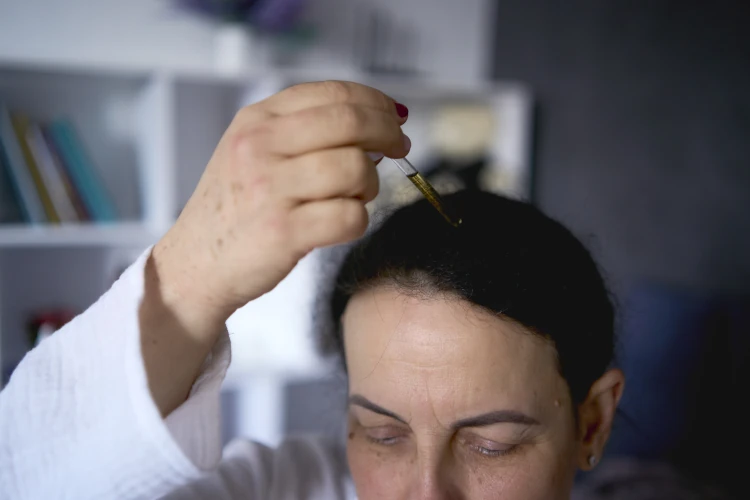
    A woman uses a topical oil for hair health.

    Topical treatments like minoxidil offer the first line of defense against medication-related hair loss by stimulating follicles and improving scalp blood flow. These over-the-counter solutions work most effectively when you start them early in the hair loss process. Your best results come from consistent daily application over several months.

    Platelet-rich plasma (PRP) therapy harnesses your body’s natural healing factors to encourage hair regrowth. This treatment involves drawing your blood, concentrating the growth-promoting platelets, and injecting them into thinning areas of your scalp. PRP treatments may not be covered by your insurance because the treatment is not approved by the FDA. There aren’t many insurance plans that reimburse these treatments. Check with your insurance to find out more.

    Advanced hair loss may require modern hair transplant techniques, like direct hair implantation (DHI) and NEO follicular unit extraction (NEO FUE), which permanently relocate healthy follicles from donor areas to thinning regions. These surgical procedures offer lasting solutions when other treatments haven’t provided sufficient improvement. Before-and-after patient transformations demonstrate the dramatic results possible with different graft counts and techniques.

    Hair restoration costs vary widely based on your treatment needs, chosen method, and geographic location. Discussing your budget constraints and aesthetic goals with qualified specialists helps you select the most appropriate approach.

    Managing and Preventing Hair Loss From Medications

    Catching medication-induced hair loss early maximizes your treatment options and minimizes long-term damage. Hair thinning often develops gradually over weeks or months, making it easy to overlook until the loss becomes obvious. Document unusual shedding, texture shifts, or thinning patterns when you start new medications to help your healthcare provider identify potential triggers quickly.

    Your doctor or pharmacist can evaluate safer alternatives without compromising your health treatment. They may suggest different medications for your condition that don’t affect hair growth or adjust dosages to reduce unwanted side effects. Never stop prescribed medications without professional guidance, as this could jeopardize treatment for severe health conditions.

    Monthly monitoring helps you spot hair loss when interventions work most effectively. Take photos of your hairline and crown to track subtle changes that might go unnoticed day-to-day. Keep a simple log noting new medication start dates, increased hair shedding, and any symptoms that coincide with thinning.

    Your healthcare team guides you toward restoration options that won’t interfere with current treatments. Some hair growth therapies interact with medications or underlying health conditions, making professional oversight imperative. Working with qualified providers ensures you address both primary health needs and cosmetic concerns without compromising your overall care.

  • Understanding the Connection Between Weight Loss and Hair Loss

    Understanding the Connection Between Weight Loss and Hair Loss

    Losing weight often comes with noticeable physical changes, like looser clothes and increased energy. But for some, these good changes are unexpectedly accompanied by a less welcome surprise: hair thinning or shedding.

    According to a review on diet and hair loss, significant changes in diet and nutrition — and, in some cases, medications that affect metabolism — can result in nutrient imbalances that may trigger a form of temporary hair loss known as telogen effluvium.

    This condition is prompted by irregular stress on the body and causes an unusually high number of hair follicles to enter the resting (telogen) phase of the hair growth cycle. The result is an increase in shedding several months after a triggering event, such as rapid weight loss.

    If you’ve recently lost weight and noticed more hair in your brush or shower drain, you’re not alone. While it can feel alarming, this phenomenon is well-documented and, in many cases, temporary.

    Let’s take a closer look at why weight loss may lead to hair loss, how long it can last, and what you can do to prevent or treat it while staying on track with health goals.

    Common Causes of Hair Loss From Weight Loss

    Measuring tape with a fork and food supplements.

    As mentioned, hair loss during or after a weight loss journey is most commonly associated with telogen effluvium. This form of hair shedding usually occurs two to three months after a major physical or emotional stressor — even positive stressors like losing weight or changing your diet can contribute.

    Here are some of the most common causes of hair loss associated with weight loss:

    1. Rapid Weight Loss and Crash Dieting

    When the body experiences rapid changes in calorie intake or weight, it can go into a mild state of shock. This can disrupt the hair growth cycle and push more hair follicles into the resting phase, leading to noticeable shedding. This is especially true with crash diets or very low-calorie plans that are unsustainable and lacking in essential nutrients.

    2. Nutritional Deficiencies

    Hair follicles are among the fastest-growing tissues in the body, which makes them especially sensitive to nutrient imbalances. Deficiencies in iron, zinc, protein, and B vitamins are commonly linked to hair loss. Iron deficiency — even in the absence of anemia — is a well-established contributor to telogen effluvium, particularly among women.

    Drastically changing your food intake, mainly if you’re cutting out entire food groups or relying on restrictive diets, can mean your body doesn’t get the nutrients it needs to support hair growth.

    3. Hormonal Changes and Stress

    Sudden shifts in eating habits can also lead to physical and emotional stress, both of which are known contributors to hair loss. The body’s stress response to a weight loss plan may alter hormone levels, such as cortisol, which can interfere with the hair growth cycle.

    4. Medications Associated With Weight Loss

    Certain medications used for weight management may also play a role in hair shedding. One commonly discussed example is Ozempic, with the active ingredient semaglutide, which is a diabetes medication increasingly used off-label for weight loss.

    While Ozempic’s link to hair loss isn’t fully understood, some users have reported increased shedding after several weeks of use. The issue may be more related to the rapid weight loss and metabolic changes the drug helps induce rather than the medication itself. Nonetheless, if you’re on a semaglutide medication, you should monitor hair changes and discuss any concerns with your healthcare provider.

    How Long Does Hair Loss From Weight Loss Last?

    In most cases, hair loss caused by weight loss is temporary. Once the body adapts to its new weight and nutrient intake, its processes stabilize, and the hair growth cycle can return to normal. A typical timeline looks like:

    • 2-3 months after weight loss: Shedding begins as more follicles enter the telogen phase.
    • 6-9 months after weight loss: Shedding typically slows as the follicles begin to regrow.
    • 9-12+ months: Hair often returns to its normal thickness, though regrowth varies by individual.

    If hair loss continues beyond a year or worsens over time, it may signal an underlying issue such as hormonal imbalance, chronic deficiency, or autoimmune conditions. In such cases, it’s best to consult with a specialist.

    Elithair’s medical team offers consultations and diagnostic services to assess the root causes of hair loss and recommend appropriate treatments.

    What To Do If You’re Experiencing Hair Loss When Losing Weight?

    When you’re working hard to improve your health, hair loss can feel so defeating. But taking these proactive steps can turn things around:

    • Slow down your weight loss: Avoid aggressive calorie cuts and aim for a steady, moderate pace, typically one to two pounds per week.
    • Check your nutrient levels: Ask your healthcare provider to test your iron, ferritin, zinc, vitamin D, and vitamin B12 levels. Supplement these nutrients where needed with professional guidance.
    • Support your hair recovery: Hydrate adequately to keep your scalp and hair follicles healthy, use gentle, sulfate-free shampoos and conditioners, and avoid excessive heat styling or tight hairstyles that stress the scalp.
    • Explore advanced treatments for persistent hair loss: Hair transplants are typically reserved for cases of permanent hair loss. If telogen effluvium persists for more than a year or is accompanied by a diagnosis of another condition like androgenetic alopecia, transplant procedures such as follicular unit extraction (FUE) or direct hair implantation (DHI) may be considered.

    In the case of permanent hair loss, hair grafts that use FUE or DHI can bring about dramatic results that speak for themselves. Before considering a hair transplant, it’s important to understand the costs and plan appropriately, as prices vary by case.

    The right steps and an intentional approach can make all the difference in countering hair loss and even reversing it, helping to promote empowerment and overall confidence.

    Preventing Hair Loss While Losing Weight Safely

    The best way to address weight-loss-related hair loss is to prevent it in the first place. A balanced, slow, and sustainable approach to shedding pounds is healthier and kinder to your body and hair. Aside from that, here are some additional hair loss prevention tips:

    • Prioritize protein: Hair is made of keratin, a type of protein, so a diet rich in lean meats, legumes, eggs, and dairy can support healthy hair growth.
    • Don’t forget micronutrients: Iron, zinc, biotin, selenium, and B-complex vitamins are all important for healthy hair and can be consumed naturally in foods or supplemented through vitamin pills.
    • Stay hydrated: Water supports circulation and nutrient delivery to hair follicles.
    • Exercise in moderation: While movement is great for overall wellness, excessive training or overexertion can also trigger stress-related hair shedding.
    • Get adequate sleep: Restorative sleep helps your body recover and regulate stress hormones.

    With patience, the right support, and a sustainable approach to wellness, you can enjoy a healthier body and a healthy head of hair.