Blog

  • Does Working Out Help With Hair Growth?

    Does Working Out Help With Hair Growth?

    You already know that exercise can boost your energy, sculpt your muscles, and support heart health. But what about your hair? Can working out support scalp health and potentially influence the conditions for better hair growth?  It’s not a straightforward yes or no. Research and personal stories often clash, and the reality is more nuanced.

    So the short answer is maybe, depending on the kind of exercise, how you recover, and your overall health. Exercise can help your hair through improved circulation and lower stress, but it can also cause damage if your habits work against you. Let’s look at what the science says and how to get the most out of your exercise routine.

    Before diving into broader patterns, it’s helpful to examine what clinical research reveals about hair loss and physical activity. Research has found that blood vessels nourish hair follicles by delivering nutrients, removing waste, and supporting growth. Thus, blood supply is crucial for their development and maintenance, and loss of this supply is linked to certain types of hair loss.

    Enhanced blood flow during aerobic exercise may theoretically support follicular health by improving oxygen and nutrient delivery to the scalp. Some observational studies and clinical speculation suggest that improved cardiovascular health may reduce inflammation and stress hormones, which are known contributors to hair loss in some people, particularly in early-stage androgenic alopecia. However, more research is needed to confirm this effect.

    Ways That Exercise May Stimulate Hair Growth

    Physical activity increases blood flow, which can deliver oxygen and nutrients to your scalp. Hair follicles are living structures that depend on consistent nourishment to produce strong, healthy strands. Increased circulation may enhance the hair growth cycle by extending the anagen (growth) phase.

    In addition, exercise helps regulate hormones. High stress often leads to elevated cortisol levels, which can disrupt your body’s natural rhythm, including your hair cycle. Movement, especially when paired with rest and recovery, helps lower stress levels and supports hormonal balance.

    These effects suggest that incorporating consistent, moderate movement into your routine might be beneficial for your scalp overall.

    Ways That Exercise May Increase Hair Loss

    A person doing a plank on a yoga mat.

    Though there are benefits to regular exercise, overtraining or pushing your body too hard can have the opposite effect on your hair. Excessive cardio or weight training without enough recovery time may increase physical stress, triggering hormonal imbalances. This is especially true if you’re not eating enough or are losing weight rapidly, both of which can reduce the availability of nutrients needed for hair growth.

    On a simpler level, tying hair back too tightly during workouts can lead to breakage or traction alopecia over time. That’s why it’s important to stay mindful of your hair care routine, not just your gym schedule.

    In a similar vein, some individuals also experience hair thinning when using certain performance-enhancing drugs or medications. For instance, some patients using GLP-1 receptor agonists (such as Ozempic) for weight loss have reported hair shedding, though this may be due more to rapid weight loss than the medication itself. 

    Similarly, those undergoing hormone replacement therapy (HRT) may also experience hair changes. HRT, particularly with testosterone or estrogen, can influence hair growth depending on dosage, duration, and individual sensitivity to hormones like dihydrotestosterone (DHT).

    Exercises for Hair Growth

    Certain exercises may be more helpful than others when building a fitness plan that supports your hair and body. Consider trying:

    • Cardio (running, cycling, swimming): Aerobic activities boost blood circulation, which helps deliver nutrients to the scalp. Start with 20 to 30 minutes of moderate cardio three to five times a week.
    • Yoga and Pilates: These workouts are incredibly helpful for managing stress. Moves like forward folds and headstands also encourage blood flow to the scalp.
    • Strength training: Lifting weights can support hormonal balance and general health, but avoid overtraining. Stick to a sustainable routine that includes rest days and balanced nutrition.

    With the right routine, you may be able to support healthier hair growth, in addition to your overall health and wellness.

    Exercise Following a Hair Transplant

    If you’ve had a hair transplant, working out requires a little extra caution. Understanding hair transplant aftercare can help you plan your return to exercise without compromising results. In the first few days post-surgery, it’s best to avoid all physical activity. Your scalp needs time to heal, and too much movement or sweating can interfere with the grafts.

    After the initial healing period — typically 7 to 10 days — light walks or gentle stretching may be okay. Don’t do anything that raises your blood pressure significantly for at least two to three weeks, including heavy lifting and cardio. Vigorous activity can increase swelling or cause the grafts to dislodge. 

    It’s also important to consider the investment you’ve made. From the cost of a hair transplant to the before and after results, maintaining your hair post-surgery requires thoughtful care. Be gentle with your scalp, stick to your surgeon’s advice, and ease back into exercise gradually.

    Exercise Habits That May Encourage Hair Growth

    Small shifts in your workout routine can help support a healthy scalp and minimize shedding. Here are a few habits to keep in mind:

    • Avoid tight hairstyles: Skip tight ponytails or buns that pull on the hairline.
    • Wash your scalp post-workout: Use a gentle cleanser to remove sweat, hair sebum, and microbial overgrowth, which can lead to folliculitis if not cleaned properly.
    • Use a soft, absorbent towel: Rubbing your hair aggressively after a shower can lead to breakage.
    • Avoid high heat after workouts: Don’t go straight to the hair dryer or flat iron. Let your hair air-dry when possible.
    • Stay hydrated: Water supports circulation and nutrient delivery throughout the body, including your scalp.

    Other Natural Methods for Stimulating Hair Growth

    Beyond exercise, other natural techniques may give your hair a boost. Consider adding the following to your routine:

    • Scalp massage: Massaging your scalp for five to 10 minutes a day can help increase blood flow and stimulate follicles.
    • Essential oils: When used correctly, oils like rosemary and tea tree may support scalp health.
    • Balanced diet: Include foods rich in biotin, zinc, omega-3s, and iron to help nourish your hair from the inside out.
    • Supplements: A hair-supporting supplement might help fill the gaps if your diet lacks key nutrients.
    • Avoid harsh chemicals: Avoid styling products with sulfates, alcohols, or heavy fragrances, which can dry out or irritate your scalp.

    You can’t exercise your way out of genetic hair loss or underlying medical issues, but movement still plays a role in keeping your body and scalp in sync. Whether you’re rebuilding your hairline after a transplant or just trying to keep your locks strong, a balanced workout routine and thoughtful self-care can make a noticeable difference over time.

  • Sex After Hair Transplant Surgery: Timeline, Dos, and Don’ts

    Sex After Hair Transplant Surgery: Timeline, Dos, and Don’ts

    Undergoing a hair transplant is a major step to restore not only your hair but also your confidence. Like any medical procedure, proper aftercare is necessary to achieve the best results. A big part of that care involves knowing what to do and what to avoid in the days and weeks following the surgery. One common concern is when patients can safely resume sexual activity.

    Hair transplants are an investment, and it’s smart to protect that investment by following your hair transplant aftercare plan. That includes avoiding high-impact activity, including sex, in the early stages. Considering the cost of a hair transplant procedure, it makes sense to be cautious. Let’s take a closer look at when it’s safe to resume sex and what precautions you should take.

    How Long After Hair Transplant Surgery Should You Wait Before Having Sex?

    Many surgeons recommend waiting at least seven to 10 days before engaging in sexual activity. During this initial healing phase, your scalp is highly sensitive, and the grafts are not yet secure. Any friction, pressure, or increased blood flow to the scalp could dislodge grafts or slow recovery.

    Several factors may affect this waiting period. If you experienced excessive swelling, underwent a larger graft session, or have a tendency to sweat heavily, your surgeon might advise a longer break. Recovery isn’t one-size-fits-all, so listen to your body and follow your surgeon’s advice.

    How To Safely Have Sex After Hair Transplant Surgery

    After the initial healing window, you can start to gradually return to more physical activities. Still, there are ways to ease back into sex without compromising your results:

    • Choose low-intensity positions: Keep your head elevated and avoid putting pressure on the transplanted area. Gentle intimacy is less likely to interfere with healing.
    • Stay cool: Overheating or sweating can affect the scalp. Choose a setting that’s cool and calm.
    • Clean up gently: After sex, gently dab the transplant area with a soft cloth if there’s any moisture. Avoid rubbing or applying pressure.

    These steps may seem overly cautious, but they give your new hair the best chance to thrive.

    What Are the Risks?

    Sex too soon after surgery can cause complications, especially during the critical recovery window. Potential risks include:

    • Dislodged grafts: Friction or pressure can shift the newly implanted follicles.
    • Excessive sweating: While sweat itself is not dangerous, it can create a moist environment that — when combined with skin irritation or improper hygiene — may increase infection risk.
    • Bleeding: Straining or physical activity may cause minor bleeding at the graft sites.
    • Swelling or inflammation: Increased heart rate and movement might worsen post-op swelling.
    • Infection: Close contact and sweat buildup may heighten the risk of infections after hair surgery.
    • Delayed healing: Any disruption in the early phase could stretch out your recovery.

    Preventing these risks begins before your appointment, with steps like limiting strenuous activity and maintaining proper care in the following days. Tracking your progress using hair transplant before and after photos can also help you stay motivated and recognize healthy signs of healing. If anything feels off or uncertain, reach out to your surgeon for guidance.

    When To Call a Doctor?

    Pay attention to how your scalp feels and looks in the days following your transplant. Call your doctor if you notice:

    • Persistent pain that doesn’t ease with over-the-counter pain relief;
    • Visible pus or oozing at the graft sites;
    • Worsening redness or swelling after the first few days;
    • Fever or chills, which could indicate an infection;
    • Sudden shedding beyond expected levels.

    Trust your instincts. If something doesn’t seem right, it’s better to get ahead of a potential issue than wait.

    Masturbation After a Hair Transplant

    A man and woman in a loving embrace.

    Masturbation is generally safe after a hair transplant as long as you follow the same rules as you would for sex with a partner. That means waiting at least seven to 10 days and avoiding activities that cause strain or excessive sweating.

    Though the act itself may not seem strenuous, masturbation increases blood flow and heart rate similar to partnered sex. As with any physical activity, avoid straining or touching the scalp during early recovery.

    Signs of Healthy Recovery

    After the initial recovery period, it’s reassuring to recognize signs that your healing is progressing well. These signals help confirm that the grafts are settling properly and your scalp is responding as expected. You’ll know you’re on the right track when you notice:

    • Scabbing and crusting fall off naturally within seven to 10 days;
    • Redness gradually fades after a few weeks;
    • No unusual pain, bleeding, or swelling;
    • The recipient area looks intact and free of infection;
    • Hair shedding occurs after a few weeks, which is a normal part of the hair growth cycle.

    Learning what a normal recovery looks like empowers you to take action if anything feels off and gives you peace of mind when things are going right.

    Other Activities To Temporarily Avoid or Approach Carefully

    Beyond sex, a few other daily habits can interfere with your healing. Be mindful of the following until your doctor gives the green light:

    • Drinking alcohol: Alcohol after a hair transplant may thin your blood and increase the risk of bleeding. 
    • Vigorous exercise: Lifting weights or intense cardio raises blood pressure, which may cause swelling or dislodge grafts.
    • Wearing tight hats or helmets: These can rub against the grafted area and reduce airflow to the scalp.
    • Swimming: Pools and hot tubs may expose your scalp to bacteria and chlorine.
    • Direct sunlight: UV rays can damage healing skin and increase redness or scarring.

    Each of these activities puts unnecessary stress on your healing follicles. Give yourself a few weeks to heal fully, and you’ll get back to normal with your hair looking better than ever.

    Being patient after a hair transplant pays off. Taking care with your recovery, from how soon you have sex to what you put on your head, can make all the difference in how your hair looks long term. Give it the care it needs to come back stronger, with hair that reflects the effort you put in.

  • 7 Best Foods for Hair Growth

    7 Best Foods for Hair Growth

    As much as your hair is a reflection of your personal style, it’s also a gauge of your overall health. If your hair is thinning, shedding excessively, or looking dull and lifeless, your diet could be partly to blame. 

    While many people turn to topical treatments or expensive hair products to fix these issues, true hair health starts from within. A balanced, nutrient-rich diet is essential for your well-being — as well as for maintaining strong, vibrant hair. 

    The foods you eat play a central role in supporting the natural hair growth cycle, maintaining scalp health, and preventing common issues like breakage and thinning. Also, keep in mind that certain vitamin and mineral deficiencies are associated with hair loss. 

    If you’re looking for a more natural, sustainable way to improve your hair, start by taking a closer look at your plate. Below, we’ll explore how nutrition impacts the hair growth process and highlight seven nutrient-packed foods that can help strengthen your strands from root to tip.

    How Nutrition Impacts the Hair Growth Cycle

    Hair growth is a complex biological process that relies on the health of your scalp, the condition of your hair follicles, and, most crucial, your nutritional intake. Hair is made primarily of a protein called keratin, and its growth depends on your body’s ability to synthesize this protein and support the follicles where hair begins.

    There are three phases of the hair growth cycle: anagen (growth), catagen (transition), and telogen (rest). Each hair strand is in a different phase at any given time, and your body’s nutrient reserves play a huge role in regulating this cycle. 

    Nutrient deficiencies can disrupt the hair growth cycle and may contribute to a higher percentage of follicles entering the telogen (resting) phase, which can lead to shedding. However, hair loss is typically multifactorial.

    On the other hand, when you consistently consume a variety of hair-supporting nutrients, like biotin, zinc, iron, and omega-3 fatty acids, you provide your follicles with the fuel they need to produce strong, resilient hair. 

    A balanced diet can help your hair grow faster, but it can also improve texture, volume, shine, and overall scalp health.

    7 Foods That Help Hair Growth

    A man outside enjoying his breakfast.

    Incorporating these whole, nutrient-dense foods into your daily routine can make a significant difference in how healthy your hair is and how beautiful it looks over time.

    Eggs

    Eggs are one of the best sources of two essential nutrients for healthy hair: protein and biotin.

    Protein is the foundation of hair, and consuming enough of it helps your body build strong hair fibers. A lack of protein in your diet may cause weak, brittle strands or even hair loss. Meanwhile, biotin (vitamin B7) plays a vital role in the production of keratin. Without it, hair growth slows down, and the hair you do grow may be more prone to breakage.

    Additionally, clinical evidence supports the role of biotin deficiency in hair loss. However, biotin supplementation is only beneficial in people with a documented deficiency, which is rare in healthy individuals.

    In this way, incorporating eggs into your breakfast or lunch routine a few times per week can give your hair a consistent boost of the nutrients it needs to grow and thrive.

    Salmon

    Salmon is a top-tier food for scalp and follicle health, since it’s rich in omega-3 fatty acids, protein, and vitamin D. Aim to eat fatty fish like salmon one to two times a week to get the best results for your hair.

    Omega-3 fatty acids may support scalp health and reduce inflammation, which can create a healthier environment for hair growth. Some small studies suggest a possible benefit for hair density and shedding, but more research is needed. In addition to improving hair health, omega-3s benefit your heart, brain, and skin, so adding salmon to your diet is a win all around.

    Spinach

    This leafy green is incredibly nutritious and great for your overall well-being, including when it comes to supporting hair growth. Spinach is loaded with iron, vitamin A, vitamin C, and folate, all of which you need to nourish your hair follicles and maintain a healthy scalp.

    Iron deficiency is one of the most common nutritional causes of hair loss, particularly in premenopausal women.

    Eating more spinach can help replenish your body’s iron stores and provide vitamin C, which improves iron absorption and supports collagen production for stronger strands.

    As often as you’re able, add spinach to your diet — try putting it in salads, smoothies, or stir-fries to quickly and easily boost your nutrient intake.

    Sweet Potatoes

    Sweet potatoes are a great source of beta-carotene, which the body converts into vitamin A, a nutrient that supports a healthy scalp environment by encouraging sebum production. It also plays a role in the cell turnover process, helping to generate new skin cells — including those in your scalp. 

    Just one medium sweet potato contains more than 100% of your daily vitamin A needs. Roasted, mashed, or baked, it’s a delicious and versatile addition to your diet. However, excessive vitamin A intake, especially from supplements, can lead to hair loss, so it’s important to be mindful of how much you’re consuming. 

    Avocados

    Creamy and satisfying, avocados are rich in vitamin E and monounsaturated fats, two nutrients that help strengthen hair, as well as improve its elasticity and add shine. 

    Vitamin E is an antioxidant that protects the scalp from oxidative stress. It also supports blood flow, which is crucial for getting vital nutrients to your hair follicles. Additionally, the healthy fats in avocados provide moisture and nourishment that can prevent hair from becoming dry, brittle, or prone to breakage.

    Blend an avocado into your smoothies to make them creamy, enjoy a slice of avocado toast, or add some to a salad to enjoy this delicious fruit and all of its benefits.

    Nuts and Seeds

    Nuts and seeds contain a variety of nutrients that support hair health. Almonds are an excellent source of vitamin E, while walnuts offer omega-3s and antioxidants. Flaxseeds and chia seeds also deliver plant-based omega-3s and lignans, which may support hair density.

    Zinc is found in many seeds, and it plays a role in hair follicle recovery and sebum regulation. A zinc deficiency can lead to hair loss and even scalp issues like dandruff or dermatitis. However, both zinc deficiency and excess can contribute to hair loss.

    Snack on mixed nuts throughout the day, or sprinkle them on top of your morning oatmeal, yogurt, or smoothie.

    Berries

    Vibrant and sweet, berries like strawberries, blueberries, and raspberries are rich in vitamin C, an antioxidant that prevents free radicals from damaging hair follicles.

    Vitamin C is also essential for collagen synthesis, a protein that strengthens the hair structure. In addition, it improves your body’s ability to absorb iron, which is especially important if you’re eating plant-based iron sources like spinach.

    A cup of strawberries contains more vitamin C than a single orange, making them an easy, refreshing way to enhance your hair-friendly nutrient intake.

    How To Build a Balanced Diet for Hair Growth

    In cases of deficiency-related shedding (e.g., telogen effluvium), dietary changes that include these nutrient-dense foods may yield visible improvements in 3 to 6 months. However, individuals with genetic or autoimmune hair loss may see limited benefit without medical intervention. 

    Here are a few ways to regularly incorporate hair-healthy foods into your diet:

    • Start your day with protein by eating eggs for breakfast or blending a smoothie with Greek yogurt, berries, and flaxseeds.
    • Include leafy greens like spinach in salads, omelets, or smoothies at least a few times a week.
    • Swap out refined carbs for nutrient-dense options like roasted sweet potatoes or whole-grain avocado toast.
    • Make fatty fish like salmon a main course once or twice per week. Try it grilled, baked, or in a poke bowl.
    • Snack on nuts and seeds, or sprinkle them over oatmeal and salads for a crunchy boost.
    • Add a side of berries to your meals or use them in low-sugar desserts for an antioxidant punch.

    A well-rounded meal plan that combines these ingredients will help ensure you’re getting a steady supply of the nutrients and vitamins your hair follicles need. But results won’t appear overnight. It often takes 3–6 months to notice meaningful improvements in hair growth and texture.

    When Nutrition Alone May Not Be Enough for Hair Regrowth

    While a balanced diet is essential for healthy hair, there are cases when nutrition alone may not be enough. This is particularly true if you’re experiencing advanced thinning, balding, or hereditary hair loss.

    In these situations, professional treatments like hair transplants can get you the results you’re looking for. Hair transplant clinics offer tailored medical interventions for individuals who may no longer benefit from lifestyle changes alone.

    If you’re considering surgical hair restoration, be sure to review real patient outcomes to get a clear idea of what’s possible. Consider the cost of the treatment as well to help you make informed decisions about your next steps.

    While medical intervention isn’t right for everyone, it can be a valuable option for those who have exhausted natural approaches and are looking for a permanent solution to hair loss.

  • Does Microneedling for Hair Loss Work?

    Does Microneedling for Hair Loss Work?

    Some people are turning to microneedling as they look for non-surgical options for hair loss. Clinical studies have shown that microneedling can stimulate hair regrowth in patients with androgenetic alopecia, particularly when used in combination with minoxidil.

    Before committing to any treatment, it’s worth understanding how microneedling works and what kinds of results people typically see. A clearer picture upfront can help set appropriate expectations and guide your decision-making.

    What Is Microneedling for Hair Growth?

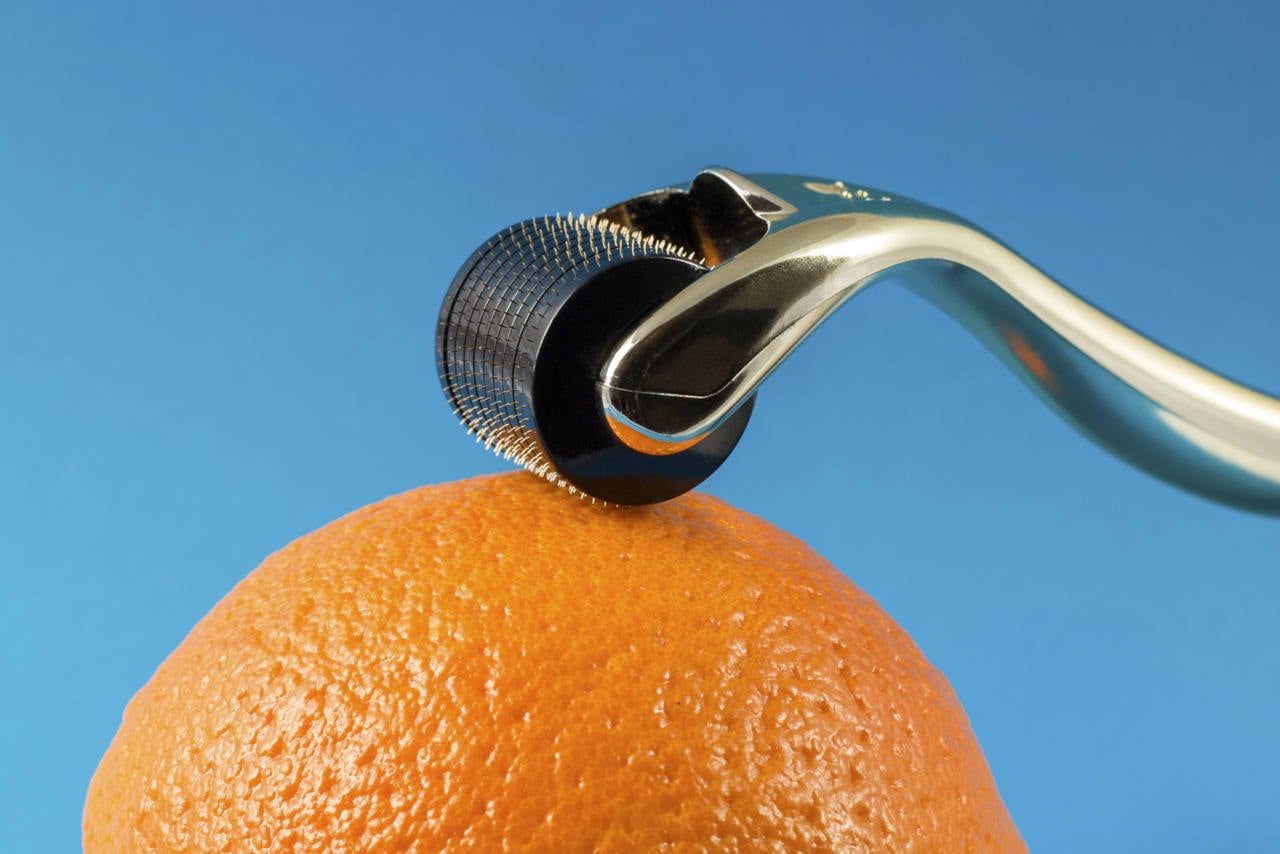
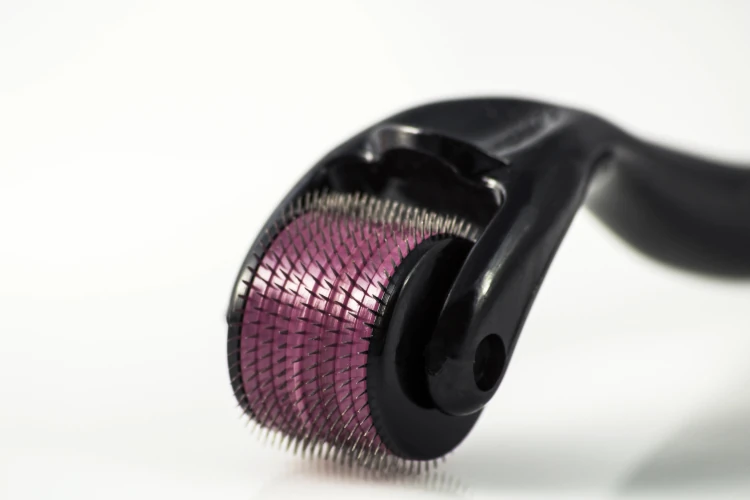
    Microneedling involves using a tool called a dermaroller, which contains fine needles that create tiny punctures in the scalp. These micro-injuries initiate a wound-healing response, which increases local blood circulation and may promote the release of growth factors, potentially stimulating the activity of hair follicles.

    Some treatments combine microneedling with topical products like minoxidil. Since the process opens up microchannels in the skin, those products may be absorbed more efficiently.

    With consistency, the scalp environment can gradually shift in a way that supports a longer growth cycle and fuller hair in areas that have started to thin.

    How Long Does It Take to See Results?

    Visible results take time. Most patients begin to notice improvement after 8 to 12 weeks of consistent treatment. Full results typically require 6 months or more. Because hair grows in phases, new growth may be subtle at first. Taking progress photos or checking in with your provider can help you track shifts more clearly.

    The process targets areas where growth has slowed, helping increase blood flow and deliver nutrients more effectively to the follicles. It’s this steady support to the scalp that may encourage healthier, denser strands over time.

    Everyone responds differently to microneedling, and that’s normal. Age, the severity of hair loss, and how consistently you stick to your treatment schedule all influence how soon you’ll see progress — and how noticeable it is. For many people, microneedling works best as part of a broader hair restoration strategy, not a stand-alone fix. That’s why staying patient and realistic about timelines can make the journey less frustrating.

    Who Can Benefit from Microneedling for Hair Growth?

    A close-up of an at-home microneedling apparatus.

    Microneedling is commonly suggested for people whose hair thinning is in an early stage, including those with androgenetic alopecia. When hair follicles are still active but underperforming, scalp stimulation can sometimes make a noticeable difference.

    It’s also used by people noticing a gradual loss of density, especially around the crown or temples. Some view it as a first step before exploring more involved procedures.

    Microneedling is generally not effective for patients with cicatricial alopecia or areas where follicles are no longer viable. Once follicles are permanently damaged or gone, microneedling is unlikely to bring them back.

    If your hair is shedding quickly or without a clear cause, it’s smart to rule out other underlying issues like stress, nutrition, or medical conditions. That way, you can address the root cause of your hair loss while working toward regrowth.

    What To Expect During a Microneedling Hair Session

    A session usually starts with a consultation and scalp check. On the treatment day, your scalp will be cleaned and possibly numbed for comfort.

    A dermaroller or microneedling pen is then used across the targeted areas. The process typically lasts 30 to 60 minutes, depending on the extent of coverage required.

    Common experiences after microneedling may include redness or mild irritation. Your scalp might appear a bit flushed post-treatment, but this generally fades within 48 hours. Additionally, some people feel soreness or tingling, particularly when deeper settings are used, so that’s something to look out for too.

    Aftercare typically includes avoiding sun exposure, heavy sweating, or strong hair products for a few days. However, be sure to follow any specific guidance you’re given by your care team. Most people schedule repeat sessions a few weeks apart.

    At-home microneedling is becoming more popular. Although without proper technique or sanitation, there’s a greater chance of irritation or infection. In contrast, professional treatments offer controlled precision and medical oversight, which can lead to better outcomes and fewer complications.

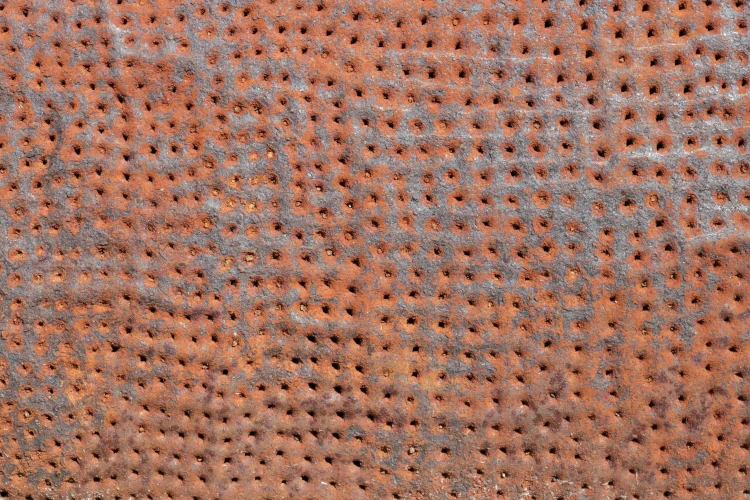
    For some, the tools or the dot-like patterns left behind may trigger trypophobia — a reaction to clustered or repeated textures. If that applies to you, preparing for those feelings ahead of time can help reduce discomfort.

    Potential Risks and Side Effects of Microneedling Hair Treatments

    Microneedling is generally safe, but it still poses the following risks, especially when done improperly or in non-sterile environments:

    • Minor bleeding or pinpoint scabbing: This is one of the more common side effects, particularly when deeper needle settings are used or the device is pressed too firmly against the scalp. These tiny scabs usually heal quickly but can be uncomfortable if scratched or picked at.
    • Infection: Any break in the skin can allow bacteria to enter, which is why it’s important to keep the area clean and avoid touching it unnecessarily. Infections are rare, but if you ignore one, it can lead to serious complications.
    • Allergic reactions or irritation: Some people react to products applied post-treatment, particularly those with alcohol, fragrance, or preservatives. Redness, itching, or a burning sensation might signal a sensitivity to your current products, and switching to a gentler formula can help.

    Seeing a certified hair doctor helps avoid most of these problems. Clean tools, clear instructions, and a solid aftercare plan go a long way in preventing issues.

    When Microneedling May Not Be Enough for Hair Loss

    While microneedling can support hair health and possibly slow thinning, it may not deliver the kind of transformation you want. For those with significant hair loss or scarring, the response is often limited.

    People looking to rebuild a receding hairline or fill in balding areas often turn to transplants for more predictable results. These procedures redistribute healthy follicles from dense areas to those with little or no growth. Before-and-after pictures can give you a clearer idea of what’s possible in your scenario.
    Multiple microneedling sessions can add up in cost. In some cases, a one-time transplant, though it may have more upfront costs, may prove more affordable and effective in the long run.

  • How To Deal With Hair Transplant Trypophobia?

    How To Deal With Hair Transplant Trypophobia?

    Feeling uneasy about your upcoming hair transplant? You’re not alone. For those who experience trypophobia, or a strong aversion to clusters of small holes or patterns, the idea of undergoing a hair transplant can stir up real discomfort. While there is no official clinical classification of trypophobia in the DSM-5, it has been described in psychological literature as a visual-triggered aversion that can cause distress in some individuals.

    Preparing for a hair transplant involves more than just planning for a new hairline. It’s also about being emotionally ready and feeling supported throughout the experience. Addressing concerns like trypophobia early can help you move through the process with more peace of mind.

    Understanding Trypophobia and Hair Transplants

    Trypophobia involves a strong reaction to grouped holes or uneven textures. Some people feel anxious or even sick when looking at things like a honeycomb or certain types of coral. 

    For individuals who report visual sensitivities associated with trypophobia, the dot-like pattern left temporarily on the scalp by follicular unit extraction (FUE) may trigger discomfort. While not clinically studied in the context of hair transplant recovery, the visual texture may resemble common trypophobic triggers.

    As hair transplants gain popularity, more patients are acknowledging this kind of response. Naming the discomfort helps validate the experience and opens up room to talk with medical professionals about it.

    The FUE technique can be particularly triggering. It works by removing individual follicles and placing them in tiny graft sites across the scalp — often hundreds or thousands of them. For someone sensitive to these visuals, the dotted pattern might feel unbearable.

    Even though the appearance improves quickly and is often hidden by hair, it can be difficult to look at the scalp, particularly during the early days of recovery. Understanding this in advance can make a real difference in how you mentally prepare.

    Signs You May Be Experiencing Trypophobia Hair Reactions

    Not all patients experience the same level of sensitivity. However, some individuals with trypophobic tendencies have reported symptoms such as mild nausea, anxiety, or avoidance behaviours when exposed to certain scalp imagery post-procedure.

    Recognizing these responses can help you figure out what you need to effectively cope with your distress or discomfort. Instead of brushing it off, you can use that awareness to shape your approach and find ways to stay grounded.

    Try to identify if there are specific visuals that elicit distress or discomfort. Once you know what sets off your reaction, you can begin to make informed choices that keep your experience manageable. 

    Talking to Your Surgeon About Trypophobia

    An image of a piece of rusty iron covered in many small holes.

    If you’re dealing with trypophobia, one of the most helpful steps you can take is to bring it up with your surgeon as early as possible, even during the consultation. This allows them to tailor how they present information to you — perhaps by avoiding graphic visuals or offering gentler descriptions of the procedure.

    Some clinics may even be able to modify your viewing materials or guide you through the recovery process entirely with verbal explanations rather than image-based updates. Open communication can lead to a more comfortable experience throughout treatment.

    Coping Strategies for Trypophobia After a Hair Transplant

    If scalp images cause distress, try limiting how often you look at healing photos, especially during the first few weeks. A little distance can go a long way in easing your reaction. You might also find relief in breathing exercises, guided meditation, or visualizing your future results instead of the current stage. Shifting attention to your end goal can help take the edge off.

    Some individuals may experience additional anxiety due to uncertainties around the cause of their hair loss — whether hormonal, autoimmune, or stress-related. Separately, those with trypophobic tendencies may feel discomfort during early recovery due to visual changes on the scalp.

    Understanding the phases of recovery can aid with feelings of overwhelm and also bring clarity. Expect to see shedding, followed by gradual regrowth and thickening. The visuals might seem strange at first, but they’re part of the healing process. And don’t neglect your body during recovery — prioritize foods packed with hair-friendly vitamins and minerals to help speed things along and improve how you feel overall.

    If you’re thinking about getting a transplant, take the time to learn what to expect, from the financial commitment to the healing timeline. Being informed gives you more control over the decisions you make and can help ease anxiety. If you need a boost of confidence, look at transplant examples that focus on progress without zooming in on graphic detail. They can offer encouragement without discomfort.

    When To Seek Professional Help for Trypophobia Hair Transplant Anxiety

    If your distress becomes hard to manage or interferes with daily life, reaching out to a therapist or other mental health professional could be helpful. You don’t have to face these reactions alone; support is a valuable option open to you.

    Counseling techniques like cognitive-behavioral therapy (CBT) or gradual exposure can reduce how strongly you react. When fear stands in the way of progress or self-confidence, getting help can be a step toward regaining comfort and control.

  • Is a Bad Hairline a Dating Dealbreaker?

    Is a Bad Hairline a Dating Dealbreaker?

    In the swipe-driven era of online dating, many believe a bad hairline is a fast track to romantic rejection. But are bald men really at a disadvantage? We surveyed 1,000 American singles to explore the impact of hair loss on modern dating and self-image. 

    Key Findings

    • 1 in 4 American singles say they’ve been hatfished — and 1 in 5 people dealing with hair loss have even kept their hat on during a first hookup.
    • 1 in 5 singles are using AI to improve their dating profiles — and 38% admit to editing their photos to look better than they do in real life.
    • 15% of singles would rather go to jail for a year than go bald.
    • 1 in 3 millennials say they’d swipe left on someone who’s losing their hair.
    • 70% of singles are spending money to improve their appearance — and more than 1 in 10 are dropping over $1,000 a year to do it.
    • 23% of singles say hiding hair loss is a dating red flag.
    • 1 in 10 singles have decided not to sleep with someone because of their hair loss.

    Hairlines at First Sight: 1 in 3 Millennials Pass Over Thinning Hair

    Nearly 2 in 3 Americans say they’re currently experiencing hair loss or thinning, according to our new survey. While 65% of men report thinning hair, 60% of women say they’re noticing hair thinning or signs of female-pattern hair loss, such as a widening part or diffuse crown thinning.

    Older generations are feeling the fallout the most: 66% of Gen Xers report experiencing hair loss, making them 25% more likely to go bald than Gen Z adults.

    Turns out, success might cost you your hairline. Those earning between $100,000 and $150,000 are 16% more likely to report hair loss than those making under $50,000. Among top earners bringing in $150,000 or more, 66% say they’re going bald.

    Despite how common hair loss is, many people still treat a full head of hair as a dating asset. 

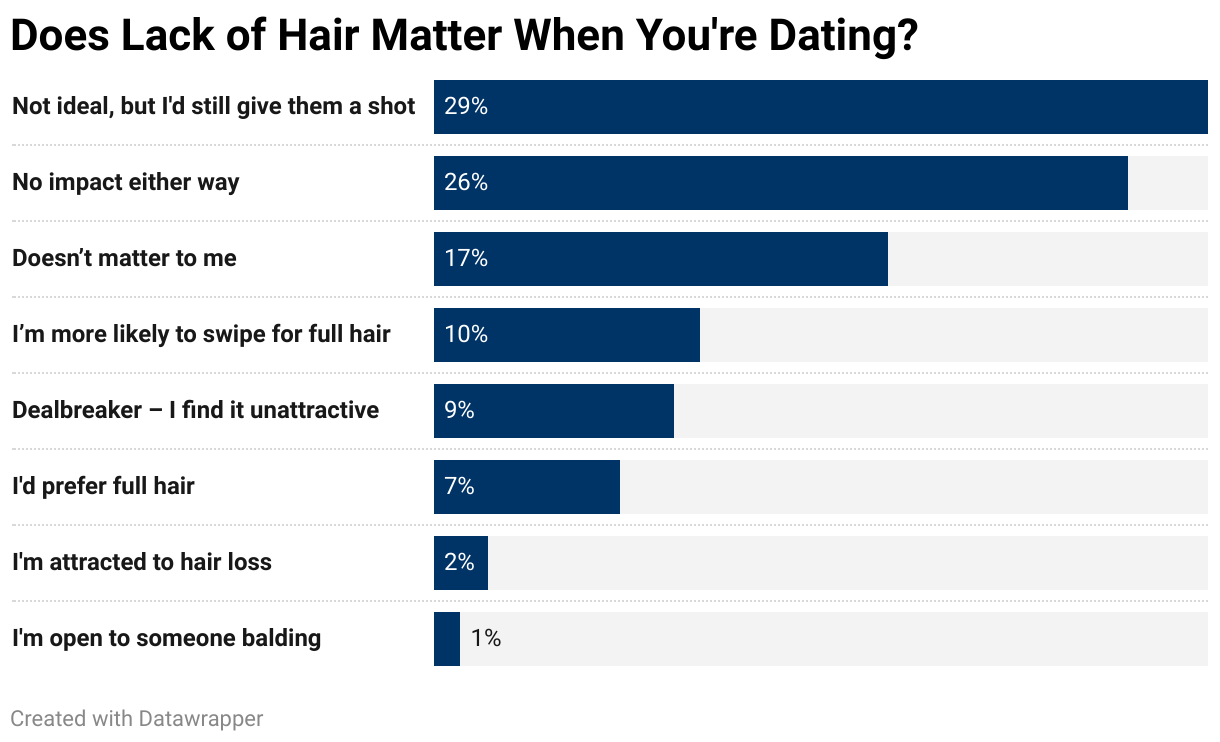
    The preference for a full head of hair doesn’t just exist — it’s actively shaping our dating behavior. While nearly 1 in 4 have admitted to swiping left over visible hair loss, even more say they’re likely to do so when it comes up. Millennials are the most ruthless: nearly 1 in 3 have passed on matches with receding hairlines or thinning scalps. Gen Z isn’t far behind — 15% say they won’t date someone who’s balding, and another 29% call it a turnoff, even if it’s not a dealbreaker.

    But baby boomers? They’re either kinder or just more realistic. 9 in 10 say they match with balding partners, and only 4% would skip a date because of it.

    Love When the Locks Thin: 15% of Gen Z Feel Attraction Dip After a Partner Starts Balding

    Hair loss isn’t just a personal issue — it can shake up your relationship. 54% say they’d see their partner differently if they started balding. Some say they’d try to be supportive, but not everyone hides their bias: 1 in 10 admit they’d be less attracted to them, and 1 in 20 would actually recommend hair treatments, such as topical solutions, medications like minoxidil or finasteride, or even hair restoration procedures. 

    Gen Z is the least forgiving when it comes to hair loss. Nearly 1 in 6 say they’d be less attracted to a partner who starts balding, making them 3.5 times more likely than baby boomers to view it as a turn-off.

    Turns out, men care a lot about appearances, at least when it comes to hair. They’re more than twice as likely as women to say they’d lose attraction if their partner started balding (15% vs. 6%). 

    Dating double standard? Women are more than twice as likely to be judged when it comes to hair loss. 48% agree women are unfairly judged for balding, while just 23% say the same for men.

    What You See (Isn’t Always What You Get)

    When it comes to first impressions, hair loss can be a serious source of anxiety. Nearly 1 in 10 say they’d cancel a first date altogether if they were experiencing it. While 55% say they’d show up as-is, others would go into full-on damage control mode: 30% would wear a hat, 18% would use hair fibers or concealer, and 8% would avoid harsh lighting.

    Younger daters are the most image-conscious. More than 1 in 6 Gen Zers would skip their date if they noticed hair loss. For millennials, wearing a hat is the ultimate date hack, with 43% choosing this as their solution. 

    In today’s world of online dating, profile pics can make or break a first impression. So are daters editing their images to boost their chances? As it turns out, nearly 2 in 5 are. 

    Digital Dating Just Got a Lot More Artificial

    1 in 5 single adults (21%) have used AI to enhance their dating profiles and boost their self-esteem. However, most aren’t using it to cover up blemishes. Instead, they’re turning to AI for conversational tips. Of those who are turning to AI to help with their dating life: 

    • 37% have turned to AI to flirt smarter or keep the convo flowing.
    • 34% have used AI to polish or rewrite their dating profiles.
    • 30% rely on AI to analyze and optimize their profile pics.
    • 33% have leaned on AI chatbots to cope with dating anxiety or insecurities.
    • 32% used AI to figure out who they should actually be dating.
    • 28% have opened up to AI about their physical insecurities.
    • 16% say AI tools have actually boosted their confidence about how they look.

    Men are twice as likely as women to use AI tools while online dating. 1 in 5 (20%) use chatbots to improve their profiles, and 12% lean on AI to help with flirting or keeping the conversation going. The emotional side is just as telling: 19% of men turn to AI for support with dating anxiety — whether it’s therapy-style feedback or confidence boosts — compared to just 7% of women.

    AI is changing the dating game — but not everyone thinks it’s fair play. Many feel these tools can be deceptive, especially when it comes to crafting dating profiles. Here’s what people say crosses the line.

    Still, for 1 in 5 Gen Z and millennials, there’s no issue at all. They say using AI on dating profiles is fair game because “everyone edits these days.”

    But how do singles actually feel when the filters drop IRL? What happens when someone shows up looking nothing like their AI-tweaked profile, especially if they used it to hide something like hair loss?

    Opinions are almost evenly split. Nearly half say using AI to hide hair loss feels dishonest — but 54% shrug it off, saying it’s just the way things are now. 

    Singles Are Being “Hatfished”

    1 in 4 have been hatfished on a date. Like “catfishing,” hatfishing has become widely recognized in online dating culture as covering up baldness and receding hairlines, in an attempt to mislead potential romantic partners. Many daters use hoodies, angles, selective selfies, and even AI to hide their hairline online. 

    Millennials and Gen Z are the most likely to fall for a well-angled selfie — over a third admit they’ve been hatfished. And when the truth comes off with the hat, it’s men who feel most misled: 30% say they’ve been duped, compared to just 20% of women.

    This kind of digital deception has sparked growing distrust, and may even point to a rising wave of what some might call “hairline dysphoria” — a growing unease or distress about hair appearance that affects self-perception. More and more people say they feel misled when others use hats, angles, or editing to hide hair loss online, and many admit they make snap judgments based on those visual cues.

    Younger daters are harsher when it comes to hair loss and those trying to cover it up. Among Gen Z, the top reaction isn’t sympathy — it’s scrutiny: 23% say it makes people look older than they are, and 1 in 5 say they’re just in denial and should own it. 

    Millennials aren’t much kinder — 1 in 4 also say it ages people, and 19% think it’s time to stop pretending. Still, not everyone’s out for blood: around 1 in 5 from both groups say they respect the hustle at least.

    What Would You Trade for Strands? From Jail Time To Dream Bodies

    Hair loss anxiety runs so deep that 15% of Americans — more than 1 in 7 — say they’d rather spend a year in jail than go bald. While clearly a hypothetical, this stat highlights the intense emotional impact hair loss can have on some individuals. Scaled nationally, that’s the equivalent of 51 million people willing to trade their freedom for a full head of hair.

    Younger people are especially anxious about losing their hair. 1 in 4 Gen Z say they’d rather spend a year in jail than deal with going bald. 

    The only group more willing to trade their freedom for their hair? Wealthy women. Nearly 1 in 3 high-earning women (32%) say they’d rather do time than face hair loss — making them nearly three times as likely as men in the same income bracket (12%) to say so.

    For many, the allure of a perfect body — hair included — outshines financial success. 1 in 4 say they’d choose flawless looks over financial success and wealth.

    Still, despite their hairline anxiety, Gen Z would choose money over looks. Nearly 8 in 

    10 Gen Z (79%) say they’d rather achieve financial success than preserve their hair or perfect their body. Their mindset? Thanks to modern treatments, hair loss is no longer an unchangeable condition — many people are seeing promising results with personalized care.

    The Cost of Confidence: Gen Z Is Willing To Pay the Price

    The majority of singles in the U.S. are willing to spend to look their best. 70% say they’ll bust out their wallets to improve their appearance, whether it’s restoring their hairline or prepping for a date.

    For some younger daters, looking good is worth four figures. About 12% of Gen Z and millennials say they’re willing to spend over $1,000 to boost their appearance before a date.

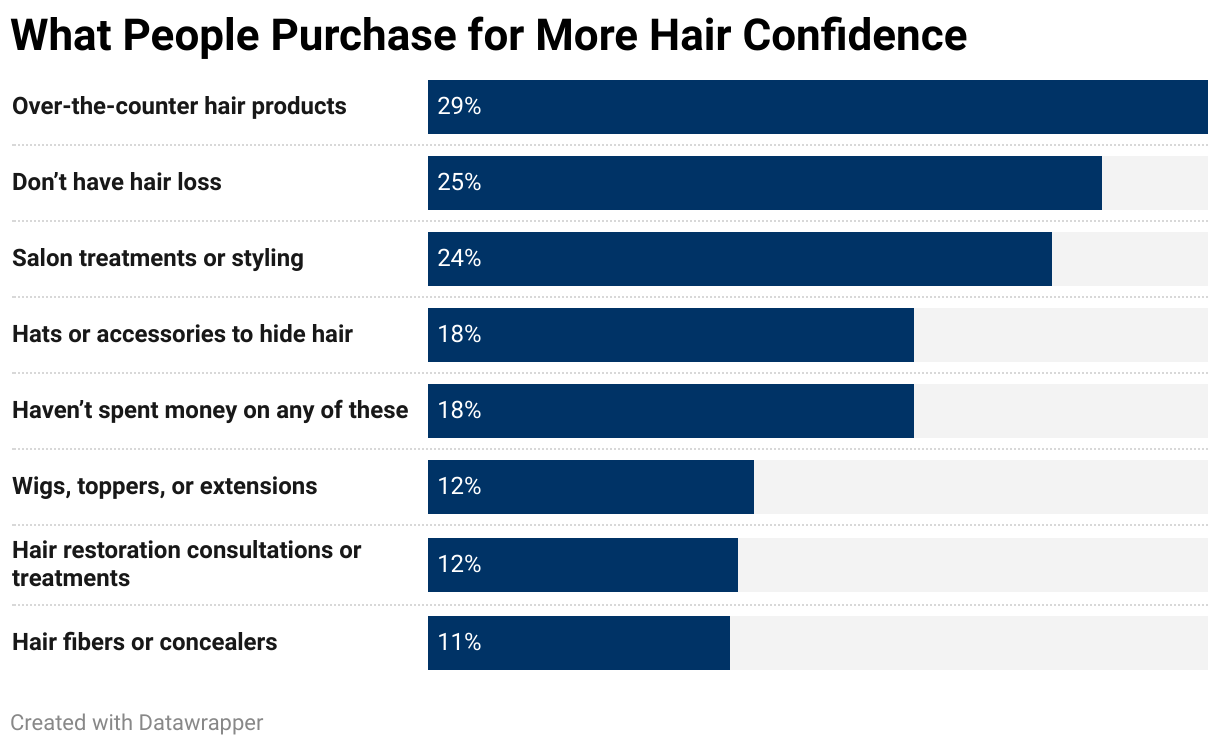
    Now it’s understood that talk is cheap — but good hair isn’t. Here’s where people are actually dropping cash to fix, fake, or hide their hair issues.

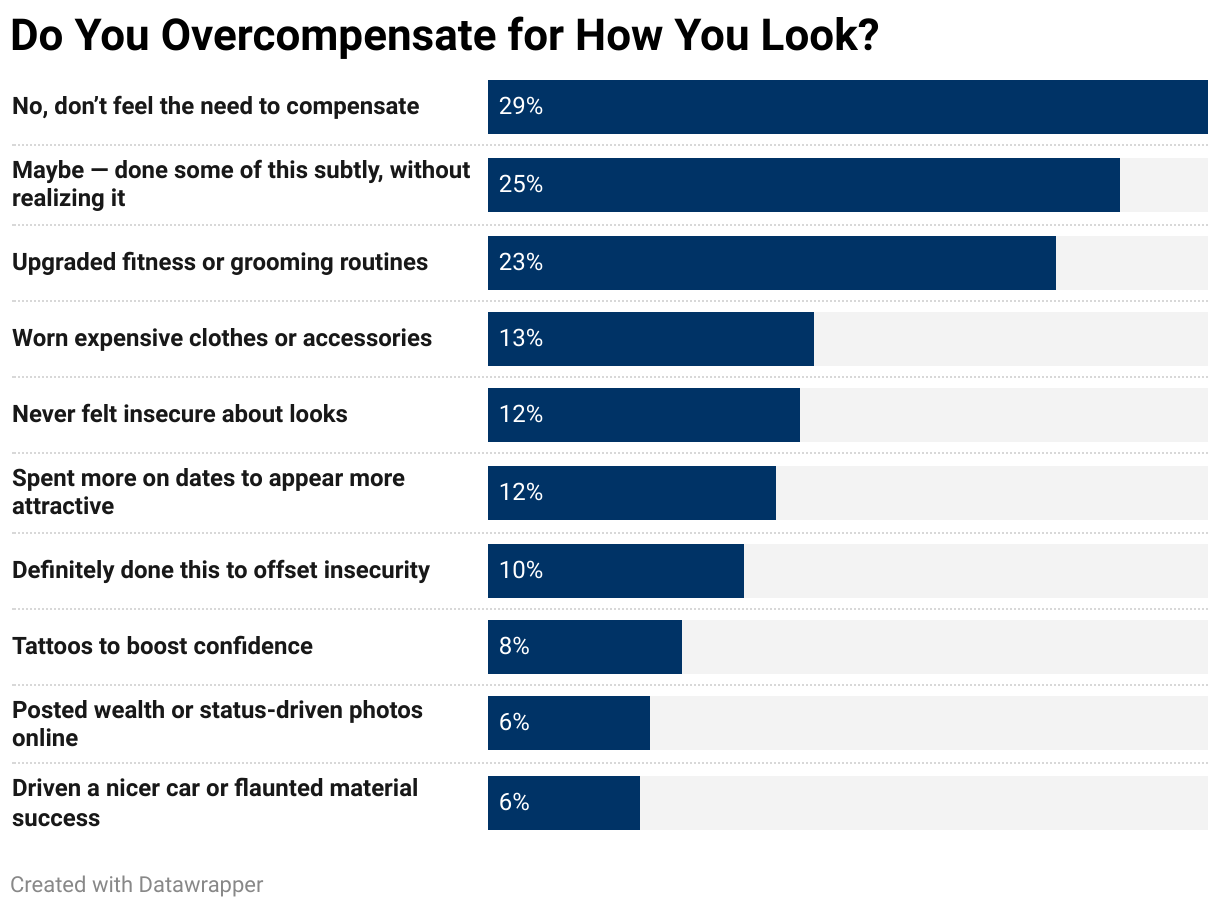
    It’s not always about fixing the flaw — sometimes it’s about distraction. A surprising number of people say they’ve overcompensated for insecurities by dialing up other parts of their appearance or lifestyle.

    Worrying about how you look doesn’t just lead to overcompensating — it can also take a real emotional toll. Here’s what people say they’ve experienced because of appearance anxiety:

    • 41% avoid having their picture or video taken. 
    • 38% are anxious or depressed.
    • 29% constantly compare themselves to others.
    • 27% avoid looking in the mirror or at photos of themselves.
    • 26% avoid social events.

    This paints a clear picture: millions struggle with low self-esteem tied to their appearance, and many will go to great lengths to avoid confronting it. The pressure is especially intense for younger people, where body image issues and appearance anxiety are even more pervasive.

    • More than 1 in 3 Gen Zers avoid mirrors and photos due to appearance-related anxiety.
    • Nearly half (48%) say they constantly compare themselves to others.
    • 60% say their appearance makes them feel depressed or anxious.
    • 44% of millennials avoid being on camera, and nearly 1 in 3 skip social events because of how they look.

    Despite these issues, only 1 in 5 have sought therapy or mental health support to address their body image struggles. 18% are considering it, so that’s a positive. 

    Young people are leading the conversation around appearance and mental health.

    38% of Gen Z and 29% of millennials say they’ve gone to therapy because of how they feel about their looks, compared to just 14% of Gen X and only 4% of baby boomers. It’s a clear sign that younger generations are more willing to confront these issues head-on.

    Social Media: The Silent Confidence Killer 

    The root causes of poor self-esteem are varied and complex, but for many singles, social media is making it worse. Nearly 1 in 4 (23%) say platforms like Instagram and TikTok are fueling their body image issues.

    And it’s not unfounded either. From double-taps to DMs, online attention is common for those whose looks really pop. 

    If you catch Gen Z’s eye on social media, just know — you’re not flying under the radar.
    17% will drop your profile into a group chat (whether to gossip or get a second opinion), and another 17% are quietly bookmarking you for later.

    Meanwhile, the boldest make their move: 36% of Gen Z men slide into DMs, hoping to turn a like into something more.

    With so much attention at stake, it’s no wonder Gen Z struggles the most with social media. Nearly half (44%) say they actively compare themselves to influencers and other social profiles, while another 25% are overwhelmed but do their best to ignore it. 

    Doomscrolling leaves most people feeling worse about how they look — and it’s not hard to see why. Social media feeds are flooded with carefully curated profiles, filtered faces, and photoshopped bodies that set unrealistic standards.

    The damage isn’t just digital and it doesn’t stop at silent scrolling. For many, appearance-based pressure becomes personal, with real experiences of judgment, ridicule, or even harassment over how they look.

    And sometimes, the cruelty hits closer to home. It’s not just strangers or social media trolls — 1 in 10 singles say their own friends have made comments about their hair loss, body, or weight. Another 1 in 10 have seen someone get mocked in a group chat — and nearly as many have been the target themselves.

    Hair Loss Halts Intimacy for 1 in 5 Gen Zers

    For some, a fading hairline can be a total dealbreaker when it comes to sex. Nearly 1 in 4 say they’ve second-guessed sleeping with someone because of their hair — or lack of it. For 1 in 10, it was a hard no — they bailed before things got intimate. Another 14% weren’t thrilled… but went for it anyway.

    When it comes to sex, men are surprisingly choosy about hairlines — especially younger ones.

    Men are 75% more likely than women to say that thinning hair gives them pause before sleeping with someone. Gen Z men lead the pack: 1 in 5 (19%) have turned down a partner because of their hair, and 43% say they care about the state of their sexual partner’s hair.

    A bad hairline can leave a lasting impression, and not in a good way. Among those who’ve rejected a partner over their hair, 56% say they never looked back — they just couldn’t get past the thinning.

    With so much at stake, 1 in 5 people dealing with hair loss admit to keeping their hat on during a first sexual hookup to hide it. Among balding Gen Z daters, that jumps to a wild 43%.

    But there’s some hope: 26% say they were eventually won over by their date’s charm or personality and ended up going to bed with someone they initially turned down.

    Still, rejection doesn’t just sting — it lingers. Over half of singles (56%) say being turned down hits hard, and many struggle to shake off the emotional fallout. And how do they cope? Let’s just say it’s not always healthy.

    In a dating world ruled by visuals, hairlines have become high-stakes. From hatfishing and AI-enhanced profiles to rejection trauma and therapy trends, the data paints a picture of a society caught between the pressure to look perfect and the desire to be real. As beauty standards shift and tech continues to blur the line between confidence and illusion, singles in the U.S. are left trying to balance attraction, authenticity, and self-worth — all while still hoping to find love.

    Methodology

    We surveyed 1,000 single Americans in the summer of 2025 to understand how they feel about hair loss and dating. The study also explored attitudes toward online dating, including AI-edited profile pictures and the impact of social media on self-esteem. Responses were analyzed across age, gender, and income to uncover key trends shaping the modern dating landscape.

    Fair Use Policy

    The insights and findings from this study are available for noncommercial use, including academic research, educational projects, and personal reference. Proper attribution is required when referencing this study, and direct linking to this article is encouraged to ensure access to the full context of the findings. 

    For commercial use, media publication, or other professional applications, permission must be obtained from the authors. Respect for intellectual property rights and ethical citation practices is greatly appreciated.


  • Protein Deficiency and Hair Loss

    Protein Deficiency and Hair Loss

    Protein plays a central role in keeping your hair strong, full, and healthy. Hair strands are built mainly from keratin, a structural protein your body constantly rebuilds through the protein you eat. In cases of severe or prolonged protein deficiency, hair follicle activity may shift toward a resting state (telogen), reducing new hair growth.

    When protein is in short supply, your body shifts gears. It prioritizes organs over everything else, and hair gets left behind. That often means thinner strands, more hair in the brush, and slower regrowth.

    Protein Deficiency Hair Loss: Why It Happens

    Without adequate protein, your body preserves its energy and nutrients for essential functions. That means hair, nonessential in the grand scheme, takes the hit first. Follicles may pause production, enter a resting phase, or shed strands prematurely.

    Hair grows in a cycle: growth (anagen), transition (catagen), and rest (telogen). Amino acid shortages can trigger telogen effluvium (TE), a form of diffuse, non-scarring hair loss where many hairs prematurely enter the telogen phase.

    These changes aren’t always permanent. But if the deficiency persists, it can delay recovery and impact the overall health of your hair long term.

    Early Signs of Hair Loss Caused by Protein Deficiency

    Unlike hereditary hair loss, protein-related shedding tends to occur diffusely across the scalp rather than in a receding pattern or crown thinning. Further, protein-related hair loss doesn’t usually happen overnight; it’s often gradual and can take time for you to notice the change. One of the first clues is increased shedding, especially when washing your hair or brushing it. Hair may also feel weaker or look duller than usual.

    Common warning signs include:

    • More hair in your brush or shower drain: Normal shedding is expected, but noticeable increases can suggest something’s off.
    • Dry, brittle strands that break easily: Hair needs protein to stay strong. Without it, strands become more fragile.
    • Slow or minimal regrowth: When hair doesn’t bounce back as quickly after damage or trims, protein might be lacking.

    Other signals — like chronic fatigue, brittle nails, or frequent illness — could suggest a broader protein deficiency that’s affecting more than just your hair.

    Common Causes of Protein Deficiency Hair Loss

    A collection of protein-rich food sources, including eggs, protein shakes, and chicken, gathered on a cutting board.

    Crash diets and similar restrictive eating habits are common contributors to protein deficiency. Skipping meals or cutting out key food groups can throw your protein intake way off balance.

    Malabsorption syndromes — including celiac disease, Crohn’s disease, or chronic pancreatitis — can impair protein and micronutrient absorption, contributing to diffuse hair loss. Celiac disease, Crohn’s, and certain pancreatic issues can all make it harder for the body to process and use protein effectively.

    Eating disorders like anorexia take a toll across the board, especially when calorie intake is consistently too low. Hair growth slows down or stops altogether as the body focuses on survival.

    Best Sources of Protein for Healthy Hair Growth

    You don’t need to completely overhaul your diet to get enough protein. What matters more is regular, balanced intake from a mix of food sources. Complete proteins — those that contain all essential amino acids — are particularly important for hair health.

    Some of the best protein-rich foods to support hair health include:

    • Eggs are a great all-in-one source of biotin and complete proteins that support keratin production.
    • Chicken is lean and filling, providing the amino acids needed for tissue repair, including your hair.
    • Lentils are plant-based powerhouses that bring protein, iron, and zinc to the table, all of which benefit your strands.
    • Greek yogurt has not only protein but also gut-friendly probiotics, which help with digestion and nutrient absorption.

    Rotating these foods into your meals can support stronger hair and a healthier scalp.

    Keep in mind that other nutrients matter, too. Iron, omega-3 fatty acids, and vitamins A, D, and E all work with protein to keep hair growing and follicles healthy.

    Most people need at least 0.8 grams of protein per kilogram of body weight each day. However, athletes, pregnant women, or those recovering from illness may need 1.2-2.0 grams per kilogram of body weight per day. Eating protein in smaller amounts throughout the day can improve how your body absorbs and uses it.

    Can You Regrow Hair Lost Due to Protein Deficiency?

    In many cases, addressing a protein deficiency can help restore hair growth, but there are still limits. If your body is truly lacking in protein, replenishing it can bring hair follicles back into their natural growth cycle, with results becoming visible over a few months.

    That said, excessive protein will not accelerate hair growth in individuals who already meet their nutritional needs. Instead, a balanced intake of protein along with other essential nutrients supports optimal follicle health.

    The most reliable improvements come with consistency: maintaining a balanced diet, managing stress, staying hydrated, and supporting scalp health. These habits work together to give your hair the best chance at bouncing back.

    What To Do if Hair Thinning Persists After Recovery

    If your diet has improved, but your hair still isn’t filling in, it might be time to talk to a professional. Other factors — like genetics, hormonal imbalances, or scalp conditions — could be contributing to the issue. A medical evaluation can help uncover these less obvious causes.

    Even with dietary improvements, sometimes your hair still continues to thin. A dermatologist or trichologist can evaluate whether other causes — including androgenetic alopecia, chronic telogen effluvium, or scalp inflammation — are at play. In certain cases, a professional hair restoration clinic can offer deeper evaluations and more targeted treatment options. 

    Seeing real patient stories and reviewing cost breakdowns can give you a better idea of what to expect from procedures like follicular unit extraction (FUE) hair transplants. It also helps set realistic expectations about timelines, outcomes, and costs.

    How To Prevent Protein Deficiency and Protect Your Hair

    A few small changes can go a long way. Planning meals with protein in mind, watching for changes during stressful times, and checking in with your doctor regularly can all help.

    Here are a few prevention tips to keep your hair and protein levels on track:

    • Prioritize protein in every meal: Aim to include a good source of protein whenever you sit down to eat. This could be as easy as adding nut butter to toast, tossing beans into a salad, or including eggs with breakfast.
    • Adjust your diet during physical stress: Whether you’re recovering from an illness or upping your fitness routine, protein needs often go up when your body experiences physical stressors. Increasing your intake slightly during these times can help your body heal and maintain hair growth.
    • Stay on top of your health metrics: Routine lab work and annual checkups can help catch nutrient deficiencies before they show up in your hair. Ask your provider about tests for total protein, albumin, and ferritin if you’re noticing changes. Ferritin (an iron marker) is not a protein-specific indicator but is relevant for hair loss diagnosis. Including prealbumin and urea nitrogen may help assess protein status more directly.

    Ultimately, taking action early can help you maintain fuller hair and keep your scalp in good shape for the long run.

    If you’re ever unsure whether your protein intake is on track or if your hair changes are part of something bigger, don’t hesitate to reach out to a healthcare provider. A quick conversation or blood test can give you clarity, and sometimes, that peace of mind makes all the difference.

  • The Link Between Lack of Sleep and Hair Loss

    The Link Between Lack of Sleep and Hair Loss

    The correlation between sleep and hair health centers on shared biological pathways that affect both processes. Poor sleep patterns may increase your risk of hair loss through stress hormone disruption, reduced cellular repair time, and compromised immune function. However, many people with occasional sleep issues never develop hair problems, while others with good sleep habits still experience hair loss from different causes.

    Understanding this potential correlation helps explain why some people notice hair changes during stressful periods with poor sleep. The relationship appears bidirectional — sleep disturbances may contribute to conditions that affect hair health, while hair loss itself can create psychological stress that further disrupts sleep patterns. Multiple factors influence both sleep quality and hair health, making their connection complex rather than predictable.

    Does Lack of Sleep Cause Hair Loss?

    Sleep serves as your body’s nightly repair center, fixing damage and restoring systems throughout your body. Hair follicles depend on this maintenance period to function properly and produce strong, healthy strands. Without adequate rest, follicles lose access to essential resources for regular growth cycles.

    Growth hormones and essential proteins are released during deep sleep, directly supporting hair follicle activity. Cortisol, a key stress hormone, is known to influence hair cycling by pushing follicles prematurely into the resting (telogen) phase. The role of melatonin in hair biology is still being explored, with some evidence suggesting antioxidant benefits. Proper hormone balance becomes crucial as strands progress through their natural three-phase cycle: active growth (which can last several years), brief transition (lasting a few weeks), and resting periods (before natural shedding occurs).

    Cortisol increases when you don’t get enough sleep, creating problems for hair growth. Elevated cortisol levels push hair follicles into premature resting phases, causing increased shedding and slower regrowth. Meanwhile, cellular regeneration slows when sleep patterns become disrupted since hair follicles require constant renewal that primarily occurs during rest.

    Sleep Deprivation and Hair Loss: What’s the Connection?

    Sleep deprivation elevates stress levels, which trigger inflammatory responses throughout your body, including scalp tissue around hair follicles. This inflammation creates a hostile environment where healthy hair growth becomes difficult.

    Inflammatory markers damage the delicate structures supporting hair production when they increase due to chronic sleep loss. While poor sleep may indirectly reduce nutrient availability due to systemic stress, there is no direct evidence linking sleep deprivation to reduced scalp blood flow. Sleep deprivation also interferes with your body’s ability to absorb essential nutrients needed for hair health.

    Other Conditions That May Worsen Hair Loss From Lack of Sleep

    Sleep issues can create a domino effect that compounds conditions that contribute to hair loss throughout your body. Poor sleep may dysregulate immune responses, which is relevant in autoimmune conditions. However, more research is needed to confirm whether sleep loss significantly exacerbates autoimmune-related hair loss. 

    Thyroid conditions, hormonal imbalances, and nutritional deficiencies all worsen when combined with sleep deprivation. Poor sleep disrupts hormone production cycles that these conditions already affect, creating a cycle where multiple factors attack hair health simultaneously. Sleep loss also reduces your body’s ability to heal from the damage these conditions cause.

    Healthcare providers increasingly recognize that sleep is invaluable for managing multiple health concerns affecting hair growth. Addressing sleep problems often improves outcomes for other treatments targeting hair loss conditions. Your overall wellness strategy should include a sleep assessment alongside other medical evaluations for comprehensive hair health management.

    Signs Your Hair Loss May Be Linked To Sleep Issues

    Several warning signs might suggest your hair loss stems from poor sleep patterns rather than genetic factors alone. You might notice increased shedding during washing or brushing, with clumps falling out rather than individual strands.

    Hair regrowth becomes noticeably slower when sleep disruption affects follicle function over time. New growth appears thinner and weaker than previous hair, breaking easily during styling or gentle handling. Unlike pattern baldness, hair shedding from stress or sleep disruption often appears diffuse rather than following a predictable recession pattern.

    Schedule a consultation with a healthcare provider if you experience sudden hair loss alongside sleep problems lasting more than six weeks. Medical professionals can distinguish between sleep-related hair loss and other conditions requiring different treatments. Before your appointment, be sure to document your sleep patterns and hair changes so you can give your provider accurate information.

    How To Improve Sleep To Prevent Hair Loss

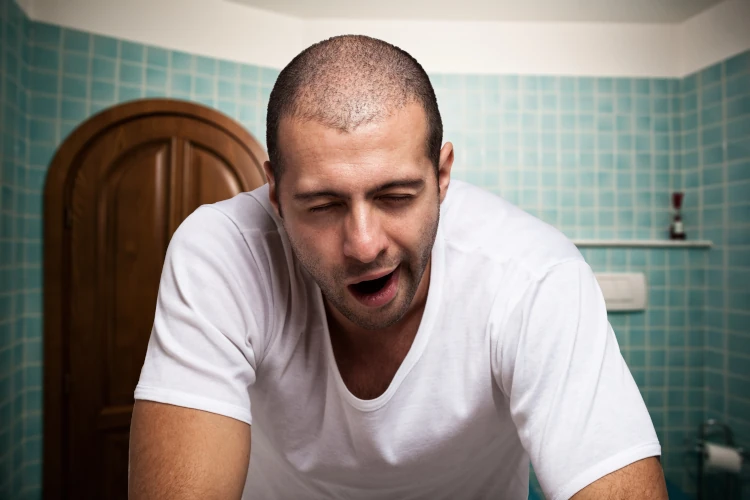
    A man with thin hair yawning and looking tired.

    Good sleep hygiene creates the foundation for rest that supports hair health and follicle repair. Go to bed and wake up consistently every day, even on weekends, to regulate your body’s internal clock and hormone production cycles. Your circadian rhythm controls growth hormone release, directly affecting hair follicle activity during nighttime recovery.

    To improve sleep, try limiting screen time for at least an hour before bed to avoid blue light interference with melatonin production. Create a calming environment by dimming lights, keeping your bedroom cool, and removing electronic devices that emit stimulating frequencies. Managing nighttime stress through deep breathing exercises or gentle stretching helps lower cortisol levels that otherwise interfere with hair growth cycles.

    Improving sleep hygiene also stabilizes hormone levels that can help maintain healthy hair growth over time. Quality sleep allows your body to produce adequate growth hormones while keeping stress hormones within normal ranges. These changes support long-term hair health by creating optimal conditions for follicle function and cellular repair processes.

    When To Consider Treatment for Sleep-Related Hair Loss

    Consider professional treatment when hair thinning continues despite establishing consistent sleep patterns for three to six months. Sleep improvements alone may not reverse the damage already done to follicles, especially if other factors simultaneously contribute to your hair loss. Medical evaluation becomes essential to determine whether sleep was the primary cause or if underlying conditions require targeted treatment.

    If hair loss persists despite improved sleep and health habits, consider consulting a specialist. Treatments may include topical or oral medications, platelet-rich plasma (PRP), or, in more advanced cases, surgical hair restoration. Documented procedure outcomes reveal how specialized procedures can effectively rebuild hairlines and crown areas when other treatments aren’t effective.

    It’s essential to consider the costs associated with restoration options, as surgical procedure pricing structures are based on individual needs and technique selection. Comprehensive packages often include consultation, procedure, aftercare, and accommodation for international patients seeking quality results. Early intervention typically requires fewer grafts and lower costs than waiting until hair loss progresses further.

  • How Scalp Inflammation Contributes to Hair Loss

    How Scalp Inflammation Contributes to Hair Loss

    Scalp inflammation is a common but frequently overlooked contributor to hair loss. While many people attribute thinning to genetics or styling routines, inflammation quietly disrupts the scalp’s ability to support healthy hair growth. And if left untreated, it can lead to consistent shedding or even permanent loss.

    Inflammation disrupts multiple functions within the scalp. Inflammation triggers cytokines (IL-1, TNF-α) that can send follicles into premature catagen; some studies hypothesise microvascular changes, but this is unproven. Ultimately, taking action early makes a real difference in preserving both hair and scalp health.

    What Is Scalp Inflammation?

    Scalp inflammation refers to the immune system reacting to irritation or damage on the scalp’s surface. It typically shows up through visible changes or uncomfortable sensations that suggest something is off with the skin’s barrier or immune behavior.

    The most common symptoms of an inflamed scalp include the following:

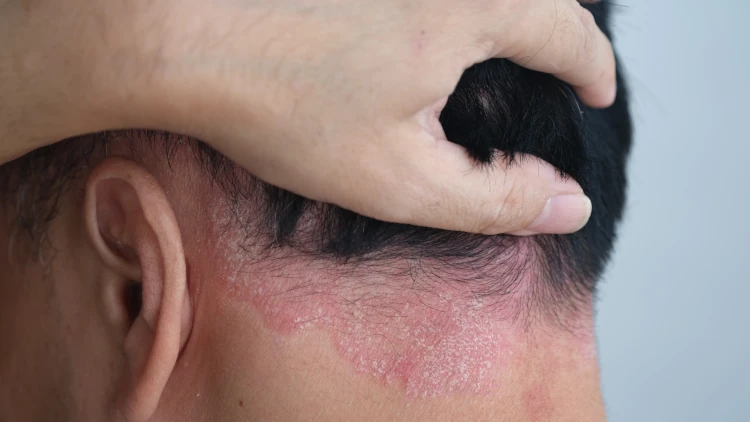
    • Redness: The skin on the scalp may appear red or blotchy, a sign of increased blood flow as the immune system responds. Patches may develop in isolated areas or spread across the entire scalp.
    • Itchiness: Persistent itching is an early warning sign. The sensation can fluctuate in intensity and often comes along with dryness or visible flakes.
    • Flaking: Dead skin may shed, similar to dandruff. Disruption of the scalp’s barrier or accelerated cell turnover often plays a role here.
    • Tenderness: The scalp can feel sore or sensitive. Pain may follow pressure, scratching, or the development of minor lesions.

    Scalp inflammation can have many triggers, including chronic skin issues like psoriasis or eczema, allergic reactions to products, accumulation of oils or chemicals, or immune system dysfunction. Pinpointing the underlying cause of these symptoms is the first step toward recovery.

    How an Inflamed Scalp Affects Hair Follicles

    Inflammation reduces the amount of oxygen and nutrients hair follicles receive. Perifollicular micro-inflammation may impair nutrient diffusion and induce fibrosis, but direct vascular compromise hasn’t been shown in humans. Follicles rely on these supplies to function normally and stay in the growth phase.

    Changes in sebum production can also affect the environment around each follicle. When the balance shifts too far in either direction, it disrupts the scalp’s microbial balance and may weaken hair retention.

    As inflammation lingers, the hair growth cycle becomes shorter. Hair enters the shedding phase sooner, leading to a decrease in density and an increase in scalp visibility.

    Eventually, chronic inflammation can shrink the hair follicles, a process called miniaturization, particularly in androgenetic alopecia, where DHT-driven micro-inflammation accelerates miniaturization. Hair grows in thinner, and if the damage continues, follicles may go dormant or scar over, making regrowth unlikely.

    Common Causes of Inflammation-Driven Hair Loss

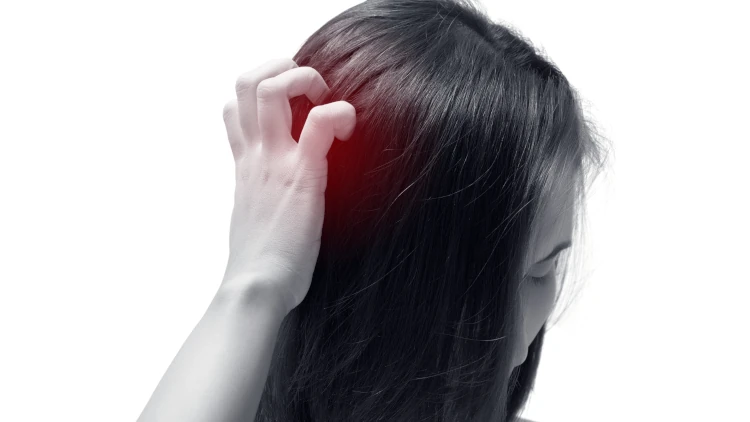
    A women scratching her irritated scalp.

    A variety of everyday scalp conditions can spark inflammation and increase the risk of hair loss. These range from medical issues to hygiene habits.

    Below are key causes of inflammation that may contribute to hair loss:

    • Seborrheic dermatitis: This condition causes oily, scaly patches. It’s often confused with dandruff but comes with more pronounced irritation and redness.
    • Psoriasis: An autoimmune issue that creates thick, silvery scales. The resulting inflammation can interfere with follicle function and can precipitate temporary shedding. Scarring alopecia is rare and usually limited to chronic, untreated hyperkeratotic plaques.
    • Fungal infections (like ringworm): Inflammatory tinea capitis (kerion) can scar if treatment is delayed.
    • Poor scalp hygiene: When sweat, oil, and product residue build up, the scalp can become irritated and inflamed. Clinical experience suggests prolonged build-up may trigger seborrheic dermatitis and scratching-related shedding; data are limited..

    People sometimes confuse normal shedding with pathological hair loss. Losing 50 to 100 hairs a day is expected, but if you’re noticing more than that, and it’s paired with inflammation, that may signal a problem.

    Treating and Managing Scalp Inflammation

    The first step in treatment is identifying the cause of the inflammation. Medicated shampoos containing ingredients like ketoconazole, salicylic acid, or coal tar often help manage common scalp issues.

    You can also use corticosteroid creams or lotions to dial back inflammation under the guidance of a dermatologist. These treatments reduce swelling and redness and are sometimes combined with antifungal or antibacterial therapies, depending on the underlying condition.

    Adjustments to your diet may offer extra support. Eating fewer inflammatory foods, boosting omega-3 intake, and avoiding known irritants could all contribute to calming the scalp. Note that small trials of omega-3 and -6 supplements show modest improvements in female pattern shedding; evidence for inflammatory scalp disease is inconsistent.

    When To Seek Professional Help for an Inflamed Scalp

    If home remedies aren’t working, or you’re noticing your symptoms worsen, it’s time to see a dermatologist. Delaying medical attention can allow damage to progress and make recovery harder.

    Visible bald patches or areas of thinning hair may point to scarring or permanent follicle shrinkage. Talk with a professional to confirm what’s happening and outline the next steps.

    Transplantation is avoided in any active cicatricial alopecia; disease should be inactive for at least two years before grafting is considered. Once the inflammation is under control, these procedures can help restore lost hair. Reviewing before and after photos can help you set realistic expectations.

    Hair transplant costs vary depending on how extensive the hair loss is and what the specific procedure entails. A full quote helps make sure there are no surprises. But even after surgery, inflammation may return if the scalp isn’t properly cared for. Following aftercare guidelines and staying alert for infection symptoms can help maintain results.

  • How Much Hair Is Normal To Lose in the Shower?

    How Much Hair Is Normal To Lose in the Shower?

    Daily hair shedding is a completely natural part of your hair’s growth cycle, and losing strands during washing happens to everyone. Your scalp releases hair (typically 50 to 100 strands a day) that has completed its growth phase, making the shower an ideal time for this process to occur. You notice more hair falling out during washing because water and manipulation dislodge strands that were already preparing to shed.

    However, you may worry when clumps of hair circle the shower drain, especially after shampooing or conditioning. Much of what looks alarming may still fall within normal daily hair loss ranges. What seems excessive could actually be several days’ worth of natural shedding happening at once. That’s why it’s important to get a better idea of what normal hair loss looks like.

    Understanding Normal Hair Loss in the Shower

    Washing significantly increases visible hair loss because water and friction naturally dislodge strands that are already in the shedding phase of their growth cycle. Combining wet hair, shampooing motions, and conditioning creates optimal conditions for loose strands to separate from your scalp. This process concentrates what would otherwise occur gradually throughout multiple days.

    Your hair’s density, length, and washing schedule influence how much accumulates in the drain. If you have abundant, lengthy hair, you’ll often notice more strands simply because each fallen piece creates a greater visual impact. Washing frequency dramatically affects observations — daily cleansers typically encounter fewer strands per session compared to those who shampoo twice weekly.

    For those worried about visible thinning, hair loss follows predictable stages. Diffuse shedding in the shower does not follow the temple-to-crown pattern typical of androgenic alopecia (AGA).

    When Hair Falling Out in the Shower Might Be a Problem

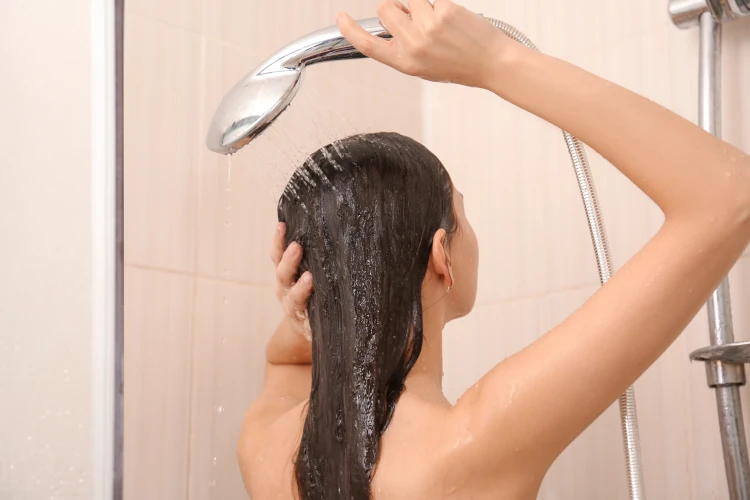
    A woman rinsing her hair in the shower.

    There are some clear signs that your hair loss in the shower might fall outside of the normal range.

    Pay attention when sudden increases in shedding occur, visible patches appear on your scalp, or your part line widens noticeably. These changes often develop gradually, which makes them challenging to detect until they become more pronounced. If your usual hair loss during showers doubles or triples without explanation, it warrants attention, especially if this change persists for several weeks.

    Changes like telogen effluvium (TE) and traction alopecia trigger excessive hair loss that becomes noticeable during washing. TE often results from stress, dramatic diet changes, illness, or hormonal fluctuations like postpartum changes. It usually appears two to three months after the inciting event, lasting more than six months in acute cases. Traction alopecia develops from consistently tight hairstyles that pull on hair follicles, weakening them over time until they can no longer support healthy growth.

    Chronic scalp inflammation contributes significantly to accelerated hair loss, particularly when left untreated or undiagnosed for months or years. Chronic inflammatory disorders, such as lichen planopilaris or folliculitis decalvans, can scar follicles permanently, but routine TE does not cause scarring. Recognizing and addressing scalp inflammation early prevents irreversible damage beyond what you’ll notice in your shower drain.

    Preventing Unnecessary Hair Loss While Washing

    Brushing your hair before showering removes strands that are already loose, minimizing dramatic accumulation during cleansing and reducing visual shock. Normal shower temperatures have minimal impact on keratin strength, but avoid using very hot styling tools once you’re finished (more than 280 degrees Fahrenheit). While washing, massage your scalp with your fingertips to generate adequate cleansing action without the harsh scraping that fingernails create.

    If you have a sensitive scalp, a mild (ideally sulfate-free) shampoo can reduce irritation, though it has no proven effect on hair-loss rate. Select formulations designed for your specific hair texture, whether fine, coarse, curly, or chemically processed, to optimize results without over-stripping natural oils. Match your product selection to your needs to prevent unnecessary chemical stress on vulnerable strands.

    Your washing technique adjustments build up over time to strengthen overall hair resilience and reduce mechanical damage. Handle your hair gently during vulnerable wet states to protect existing strands from premature breakage. If you can work these protective habits into your hair care routine consistently, you may start to see noticeable improvements within a few months.

    What To Do If You’re Concerned About Hair Loss in the Shower

    Reducing stress levels can significantly impact your hair’s health, as chronic stress often triggers temporary but noticeable hair loss patterns. Check your iron and protein intake, as deficiencies in these essential nutrients frequently manifest as increased shedding. Switching to gentle hair products without harsh sulfates or aggressive cleansing agents may lessen breakage in chemically treated hair but will not stop medical hair-loss disorders..

    Consider keeping a simple log of what you notice during washing to track whether your hair loss is increasing or if you’re just becoming more aware of normal shedding. This documentation helps distinguish between temporary fluctuations and genuine changes that require attention. Many people find that increased awareness initially makes normal hair loss seem more dramatic than it is.

    Visual benchmarks for regrowth or recovery help when evaluating your situation over time. Reviewing actual transplant cases showing recovery demonstrates realistic improvement timelines from initial thinning to full-density restoration. These transformation examples can help you determine whether your concerns need professional evaluation or if patience and gentle care will address your situation.

    Treatment Options for Excessive Shower Hair Loss

    Topical minoxidil is FDA-approved for pattern hair loss and sometimes used off-label for chronic TE; it isn’t recommended for acute TE and may initially increase shedding. Professional options include low-level laser therapy (LLLT), which stimulates follicles through targeted light exposure. Keep in mind that LLLT helmets and comb devices have moderate evidence for AGA; data for their efficacy in treating TE are sparse.

    Hair transplantation is reserved for stable pattern hair loss; surgeons defer the procedure until shedding stops and a clear donor-recipient contrast exists. These surgical approaches vary in cost and work by relocating healthy follicles from donor areas to regions experiencing thinning or balding. Current methods provide natural-looking results that restore both appearance and confidence.

    Professional consultation determines which approach best addresses your specific pattern and severity of hair loss. Early intervention provides better outcomes and may reduce the need for more extensive treatments later.