Author: admin

  • Understanding Stress-Related Hair Loss

    Understanding Stress-Related Hair Loss

    Stress finds its way into nearly every aspect of daily life, interfering with sleep, mood, and even the natural cycle of hair growth. It’s not unusual for people to notice more shedding or thinning during particularly difficult seasons of life, which can add another layer of anxiety on top of what they’re already carrying.

    Figuring out how stress affects your hair isn’t only about looks. It’s also about tuning into your body’s signals and finding ways to support your health, inside and out.

    How Does Stress Cause Hair Loss?

    Stress triggers a complex biological response involving hormones like cortisol, inflammatory cytokines, and nervous system activity, which may disrupt the hair growth cycle — particularly by inducing a shift from the anagen (growth) phase to the telogen (rest) phase earlier than usual.

    This disruption is a hallmark of telogen effluvium, a condition where hair follicles temporarily go dormant. A few months after experiencing stress, this dormancy can result in a noticeable wave of shedding that takes many by surprise. Though the hair often regrows, the experience can still feel jarring and unsettling.

    Besides physical changes, stress also affects how people see themselves. Hair loss can lead to higher anxiety and make people feel self-conscious, especially if it affects their hairline or creates patchy areas that are hard to hide.

    In some cases, this distress becomes more than a passing worry. It can develop into hairline dysphoria, a deeply emotional reaction where concern over one’s hairline feels constant and consuming.

    Types of Hair Loss Caused From Stress

    Stress doesn’t cause just one kind of hair loss. In fact, it can set off a variety of conditions and mechanisms that affect hair, each of which stems from how our bodies and minds respond to prolonged pressure. Several conditions are linked to mental and emotional strain, including:

    • Telogen effluvium: The most common stress-induced form of hair loss, it causes large numbers of hairs to enter the resting phase and fall out, often several weeks or months after a stressful event.
    • Trichotillomania: This is a behavioral condition in which individuals compulsively pull out their own hair, usually as a response to anxiety or emotional distress.
    • Alopecia areata: While the exact cause of alopecia areata is unknown, it is an autoimmune condition, and psychological stress is thought to contribute to flare-ups in some individuals.
    • Scalp psoriasis: As an autoimmune disorder, psoriasis isn’t directly caused by stress. But stress often triggers flare-ups, which can worsen inflammation and flaking on the scalp. Psoriasis flare-ups may lead to temporary hair loss by irritating the scalp, weakening hair shafts, and disrupting the hair growth cycle.

    Because each form of stress-related hair loss stems from different causes and presents with unique symptoms, learning what sets them apart can help you take more informed and confident steps toward recovery.

    Signs You May Be Experiencing Hair Loss From Stress
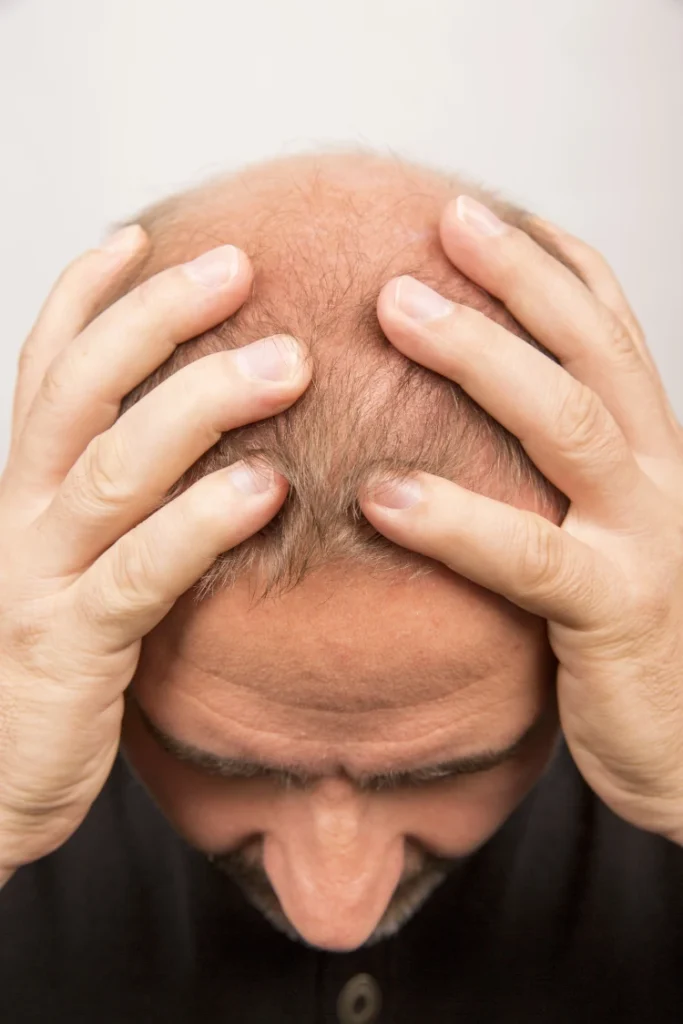
    Stressed man with hair loss holding head in hands.

    Hair loss from stress can sometimes catch you completely by surprise. If you suddenly notice your hair thinning all over rather than in isolated spots, stress might be the culprit. Hair shedding from stress-related causes, such as telogen effluvium, often appears two to three months after a triggering event.

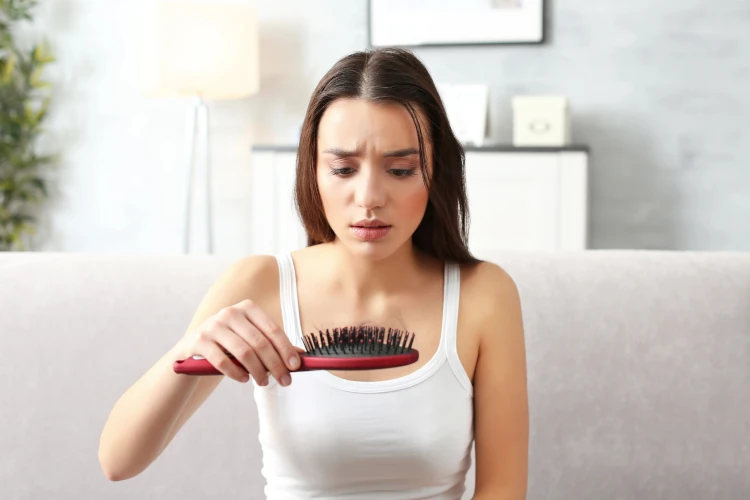
    Another clue is finding more strands than usual on your pillow, clogging the shower drain, or tangled in your brush. When shedding feels excessive and lasts for a while, it’s worth paying attention.

    In some cases, hair falls out in small, round patches. That kind of pattern could point to an underlying autoimmune issue made worse by psychological strain. Spotting these changes early gives you a better shot at slowing or stopping the progression of hair loss — and of early intervention to the underlying cause.

    The emotional weight of hair loss shouldn’t be underestimated either. If you catch yourself avoiding mirrors or skipping social plans because of how your hair looks, it may be time to check in with how stress is showing up in your life and get professional support if necessary.

    How To Reverse Hair Loss Caused by Stress?

    Lowering your stress levels is often the most effective way to slow — or even stop — hair loss linked to anxiety and burnout. Practices like meditation, deep breathing, or working with a therapist can make a measurable difference by calming the nervous system and helping your body recover.

    Sleep is another major piece of the puzzle. When your rest is off, your hormones tend to follow. A regular, relaxing bedtime routine can support both your mental state and the health of your hair. Add some regular movement into the mix, like walking or stretching, and you’re giving your system another tool to rebalance itself.

    In most cases of stress-related hair shedding, full regrowth is expected once the underlying cause is addressed. Hair transplants are generally reserved for cases of permanent hair loss, such as androgenetic alopecia.

    Hair restoration methods, especially hair transplants, have become more advanced, more natural-looking, and more accessible than ever before. These procedures can be a strong next step for people who’ve tried noninvasive methods without much progress.

    If you’re thinking about going this route, it helps to understand the costs involved and how to plan ahead financially. It also helps to see real-world examples. Before-and-after photos can give you a clearer idea of what’s possible — and what kind of outcome you might expect with a hair transplant.
  • Scalp Psoriasis and Hair Loss: What Is the Connection?

    Scalp Psoriasis and Hair Loss: What Is the Connection?

    Scalp psoriasis doesn’t directly cause permanent hair loss. However, inflammation, persistent scratching, and stress can lead to temporary hair shedding — a condition known as telogen effluvium, which may give the appearance of thinning.

    Grasping this connection gives people a better shot at managing symptoms and protecting their hair. Once you recognize what’s fueling the issue, it becomes easier to take the right steps.

    How Scalp Psoriasis Affects the Hair and Scalp

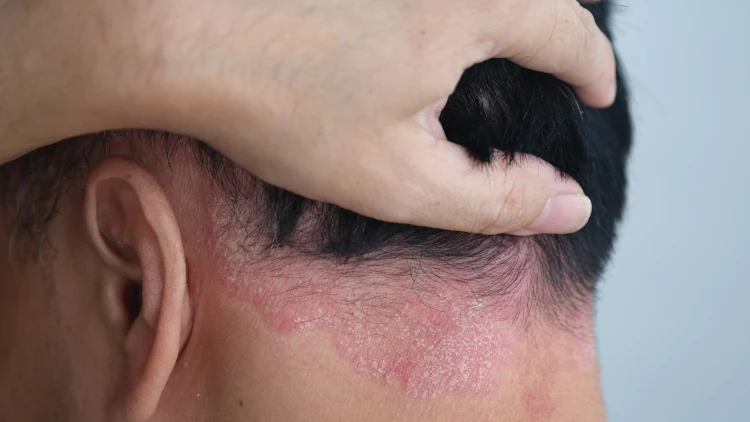
    Scalp psoriasis leads to thick, scaly patches across the scalp. These plaques irritate the skin and disrupt hair follicles, which can lead to breakage and shedding.

    To understand how scalp psoriasis contributes to hair loss, it helps to break down what’s happening on a biological level:

    • Inflammation can weaken follicles: When the scalp is chronically inflamed, the surrounding tissue becomes less stable, making it harder for hair to stay rooted.
    • Persistent scratching causes physical damage: Frequent itching, while often unavoidable, can pull out strands and create micro-tears that irritate the skin further.

    Immune flare-ups disrupt the growth cycle: During active periods, the immune system’s heightened response can push hair follicles into a resting phase, causing temporary shedding.

    Stress adds another layer of difficulty. It can worsen psoriasis symptoms while also triggering separate episodes of hair shedding. The overlap can leave people feeling like they’re being hit from both sides.

    Signs You May Be Experiencing Hair Loss From Scalp Psoriasis

    Hair loss tied to scalp psoriasis doesn’t always follow predictable patterns. It often appears in step with flare-ups or surfaces in spots that are especially irritated. Here are some common signs to look out for:

    • Increased shedding during flare-ups: More hair in your brush or on your pillow may be noticeable when plaques are active.
    • Tenderness or sensitivity at the roots: The scalp might feel sore, especially in areas with heavy scaling or inflammation.
    • Thinning at affected patches: Hair may appear less dense in places where plaques are most persistent or frequently scratched.

    If the shedding doesn’t stop once the flare-up fades — or if it keeps getting worse — it’s worth seeing a specialist. They can assess whether something else might be going on and suggest a personalized approach to treatment.

    Treating Scalp Psoriasis To Minimize Hair Loss

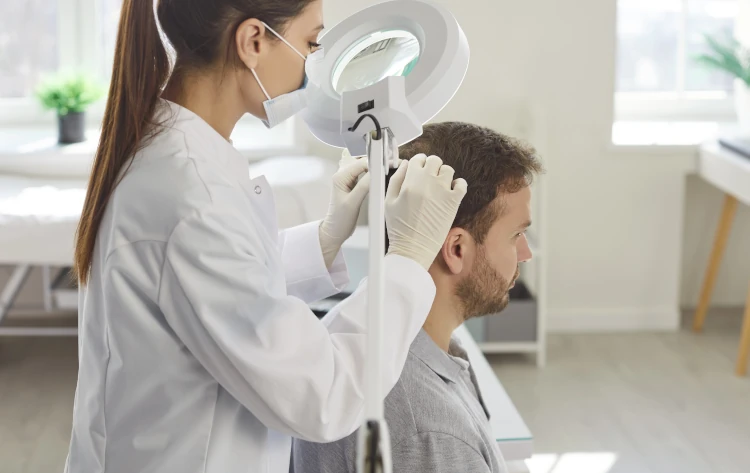
    A doctor examining a male client’s scalp.
    To minimize hair loss from scalp psoriasis, simple, careful routines go a long way. Scalp psoriasis responds better when you avoid harsh treatments. Using medicated shampoos, gentle drying methods, and cooler water when showering can all help soothe the skin and protect fragile strands.

    When flare-ups happen, reach for treatments that calm rather than strip. Topical corticosteroids and vitamin D analogs, such as calcipotriol, are the most effective treatments for scalp psoriasis. Coal tar shampoos may offer relief for mild symptoms, though their use has declined due to safety and efficacy considerations. You should always use these remedies under professional guidance. Rubbing or over-washing can backfire and make things worse.

    Acting early can limit the fallout. Quick, informed treatment choices help minimize long-term damage and give your hair a better shot at recovery. Medical professionals and hair transplant specialists can also offer options based on your specific needs.

    In some cases, especially when flare-ups are frequent or severe, pairing medical care with hair restoration can make a meaningful difference. These treatments won’t erase the condition, but they can restore your confidence and comfort.

    Hair Restoration After Scalp Psoriasis

    Hair restoration through transplants is possible; however, these procedures should only be considered once your scalp has been free of active psoriasis for a sustained period. Transplants into inflamed or unstable skin carry a higher risk of poor graft survival. Once the scalp is recovered, it may be worth looking into hair restoration methods to fill in areas that never regrew after a flare-up.

    Modern transplant methods are designed to look natural. Browsing examples of past results can help you picture what’s possible for your situation. The costs involved are another important factor — understanding the financial commitment upfront can help you weigh whether it’s the right option for your needs and budget.

    An artificial hair transplant is another option, especially if you come to the conclusion that traditional restoration isn’t going to work for you. They come with upsides and downsides, so understanding both will help you decide if it’s the right choice.

    Some of the main benefits of artificial hair transplants include:

    • Immediate cosmetic improvement: Implanted synthetic fibers create the look of fuller hair almost instantly. This can help restore confidence and improve appearance quickly.
    • No donor hair required: Patients with limited donor areas can still receive coverage, so the procedure is more accessible to those who don’t qualify for traditional hair transplants.
    • Minimally invasive: The procedure can be performed relatively quickly — and with less downtime — than some surgical alternatives. Recovery is typically easier, making it appealing to people with busy lifestyles.

    Though they are used in some countries, synthetic hair implants are not approved by the FDA due to safety concerns. These procedures come with some risks and drawbacks, including:

    • Risk of rejection or infection: The body may react negatively to foreign fibers, leading to discomfort or complications like infection or transplant rejection. This can require additional treatment and may limit future restoration options.
    • Chronic inflammation: In some cases, hair transplant procedures can trigger long-term inflammation around the transplanted follicles, leading to discomfort, scarring, or poor hair growth.
    • Not suitable for everyone: People with sensitive skin or active scalp conditions may not be ideal candidates for these procedures. Preexisting inflammation or immune sensitivities can interfere with their success.

    Candidates should be sure to consult a specialist about potential complications before pursuing treatment.

    Managing Scalp Psoriasis and Protecting Your Hair Health

    Scalp psoriasis and hair loss are closely connected, but there’s room for recovery. Starting treatment early and using gentle care can support both scalp health and hair regrowth.

    If you’ve been struggling with flare-ups and thinning hair, you’re not alone — and you don’t have to figure it out by yourself. With expert help and the right plan, it’s possible to feel good about your hair again.